
The Day I Forgot Everything I Taught About Leadership: How Leaders Can Set Their Teams Up for Success
I should’ve known better
You would think I knew.
All these years of training and equipping leaders. All the frameworks. All the models. All the advice.
And then I faced a real-life opportunity. And what did I do?
Forget everything I had taught.
Recently, I was put in charge of reorganizing a thrift store. A group of willing volunteers was ready to help.
With my background in interior design and my mild obsession with traffic flow, I was excited.
Then someone brought a young man to me and said, “He has a good eye for design.”
Perfect, I thought.
So I said, “Thanks for helping. Can you make this table look nice?”
And I walked away.
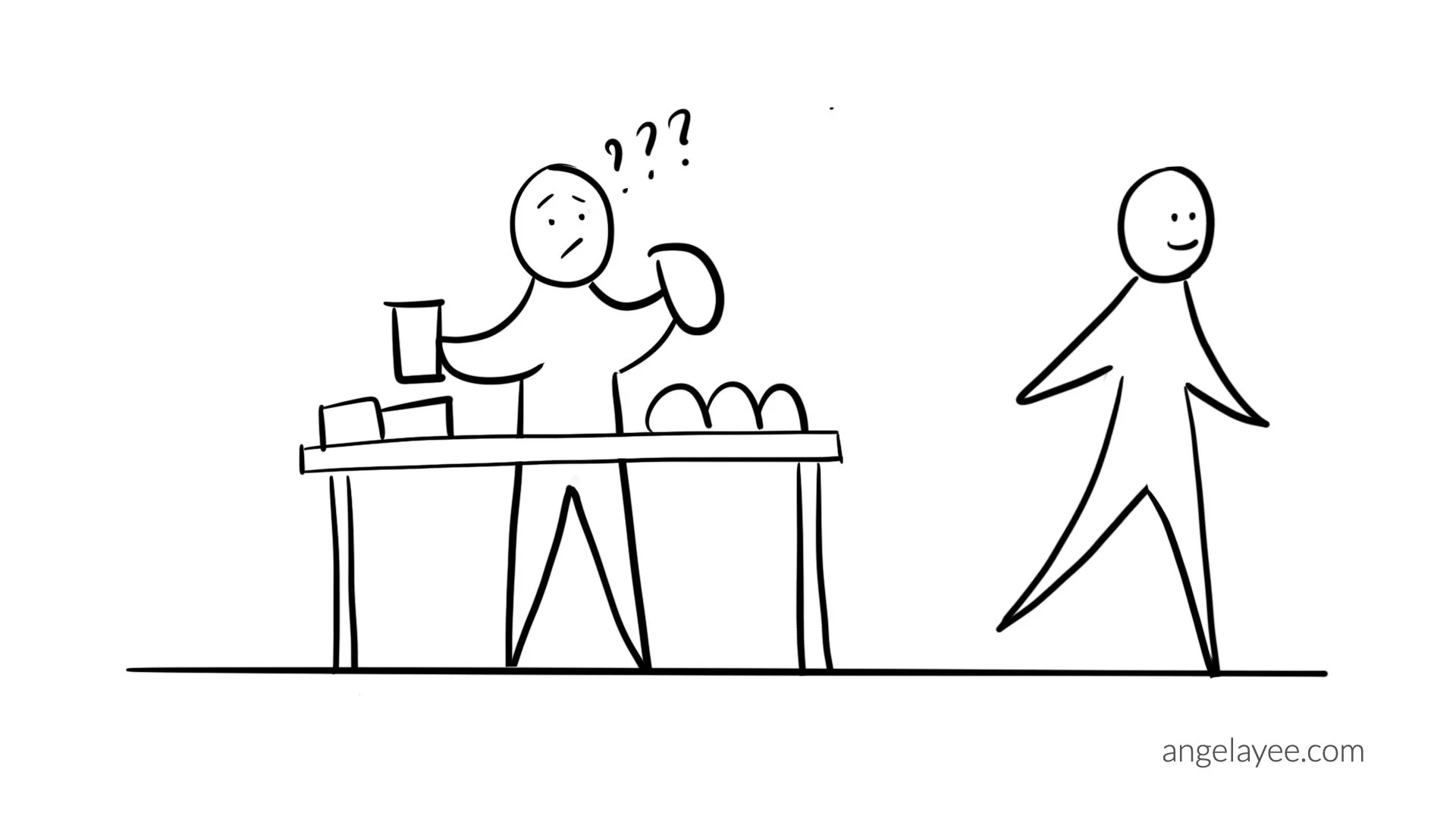
Those of you who are leaders already are hearing the alarms going off in your head. After all, this is not how you set up a team member for success!
What I did was basically hand someone a vague assignment and hope for the best. And hope is not a reliable strategy.
Fortunately, there’s a better way.
A better way to set up volunteers for success
When you assign someone a task, four simple practices make a huge difference.
1. Assess the skill level
Before assigning a task, find out who you’re working with.
Years ago, I volunteered at a large church event. The coordinator greeted me and immediately asked me to check in volunteers at a table.
Nothing wrong with that. I was happy to help.
But as I watched her run around overwhelmed, I realized she had no idea I had previously run events for over 10,000 people. I could have helped her organize logistics, coordinate teams, or solve problems that popped up. She never asked.
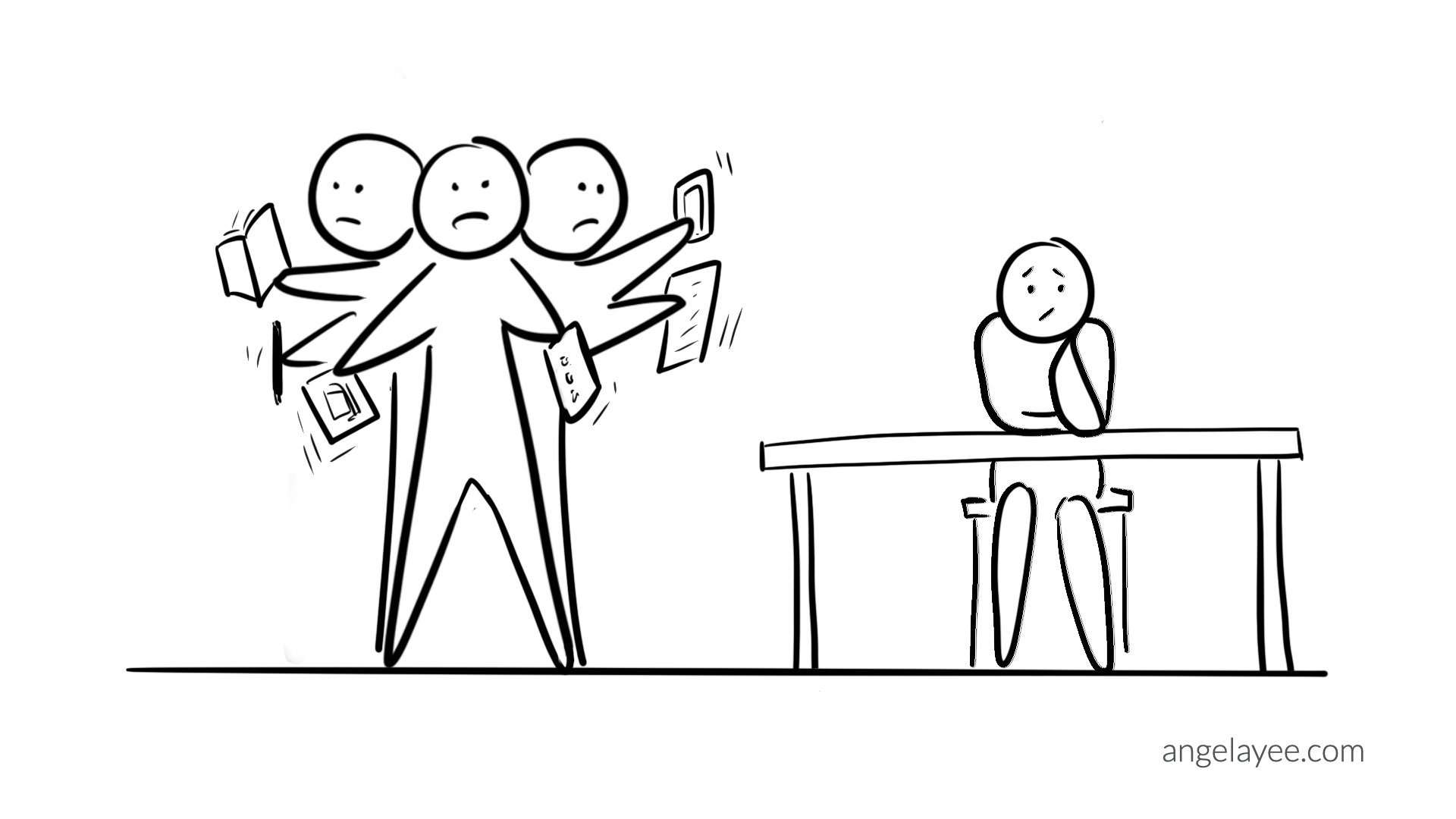
That was what I did to this young man. I didn’t find out whether he had styled displays before or whether he was brand new. I just assumed he knew what he was doing.
A quick question or two would have helped me tailor the assignment.
2. Explain the why and outcome
People do better work when they understand the bigger picture.
Instead of saying “Make the table look nice,” I could have explained:
We’re trying to make this section feel inviting so shoppers stop and browse. We want it to feel organized and easy to see items.
Then I could have shown an example of what “nice” actually means.
Explaining the why connects the dots. It helps someone see how their effort contributes to something larger.
Depending on the person, you may need more context or less. But everyone benefits from clarity.
3. Tailor the approach
Not everyone needs the same level of instruction.
If someone is highly experienced, you can simply give them guidelines and let them run with it.
But if someone is new, they benefit from a bit more structure.
There is a simple training progression that is called by various names, with the official term being called Gradual Release of Responsibility. But since the Wikipedia explanation looks highly intimidating, I like the simplified version, which is:
I do
We do
You do
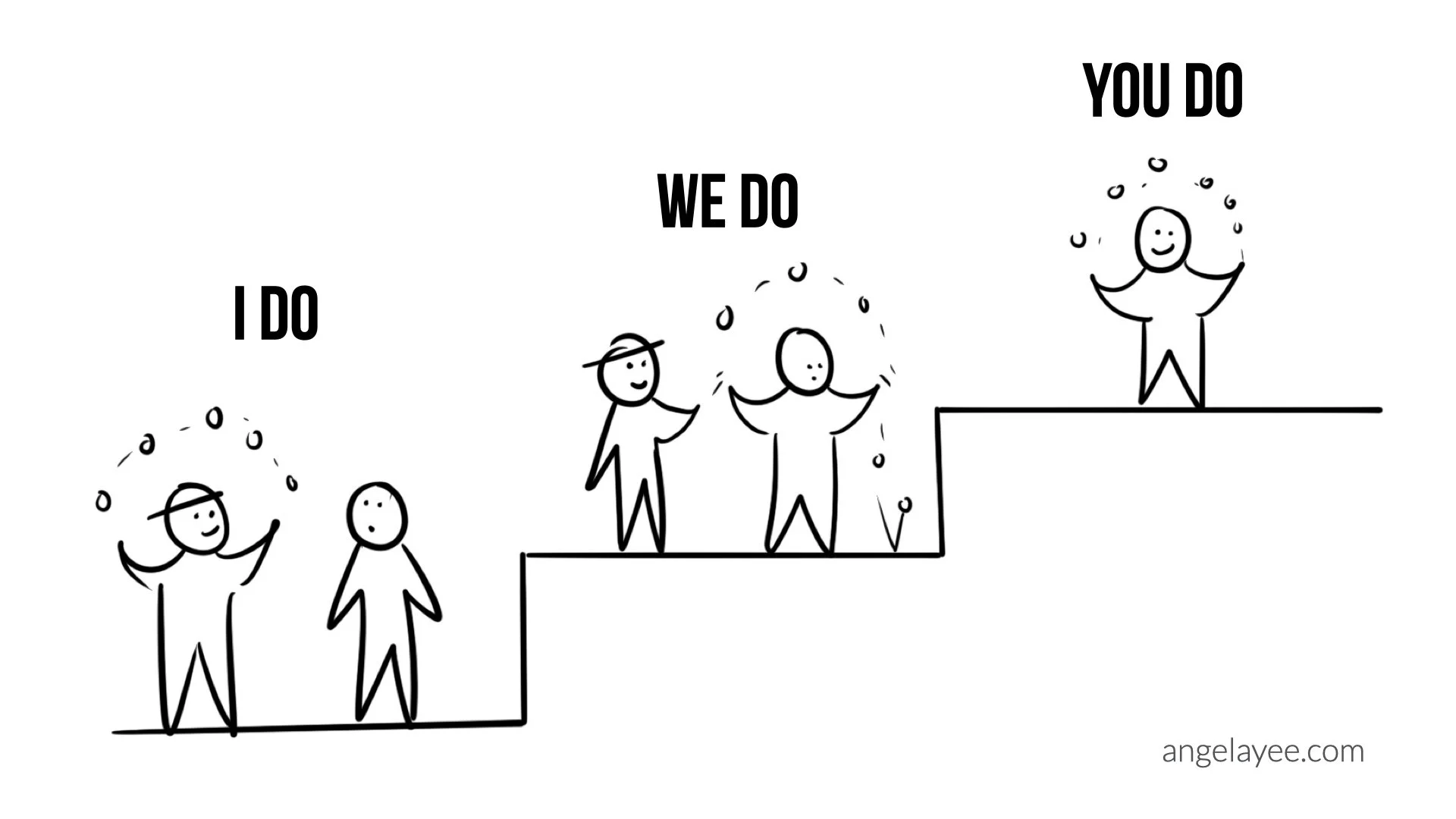
First you demonstrate.
Then you work on it together.
Then they take ownership and do it independently.
With the young man at the thrift store, I skipped straight to the last step: “You do.”
Without ever showing what success looked like.
That’s not empowerment. That’s abandonment!
4. Coach and encourage
Just because someone is working doesn’t mean they don’t need feedback or a quick word of appreciation.
A quick check-in helps people stay confident and improve their work.
Sometimes it’s simply saying:
“Nice job with that display.”
“Great progress.”
“Here’s one small tweak.”
Encouragement helps people feel seen. Coaching helps them grow. Both are needed.
Leadership isn’t about assigning tasks — it’s about developing people.
Practical takeaway
The next time you assign a task, pause for a moment and walk through four simple steps:
Assess the person’s skill level.
Explain the why and what success looks like.
Tailor your level of guidance.
Coach and encourage along the way.
It takes only a few extra minutes, but it dramatically increases the chances that people succeed.
So yes, I should have known better.
But leaders are learners. And sometimes the lesson comes from a thrift store table that didn’t turn out quite the way you imagined!