
Making Communication Work at Work
There is something so essential to how organizations function that when it breaks, everything else gets harder.
Meetings get messy. Work gets duplicated. Emails get passive-aggressive. And sooner or later, someone says, “Wait… no one told me that!”
I’m not talking about people. (Obviously, organizations need people.)
I’m talking about information.
Decisions. Updates. Context. Priorities. Expectations. Organizations, at their core, are largely about how information gets shared, processed, and acted on. Because without information-sharing, you’d end up with everyone doing their own thing with no coordination.
The only question is whether your information flow runs smoothly like a sleek race car… or like a car with three flat tires and a blinking dashboard light no one understands.
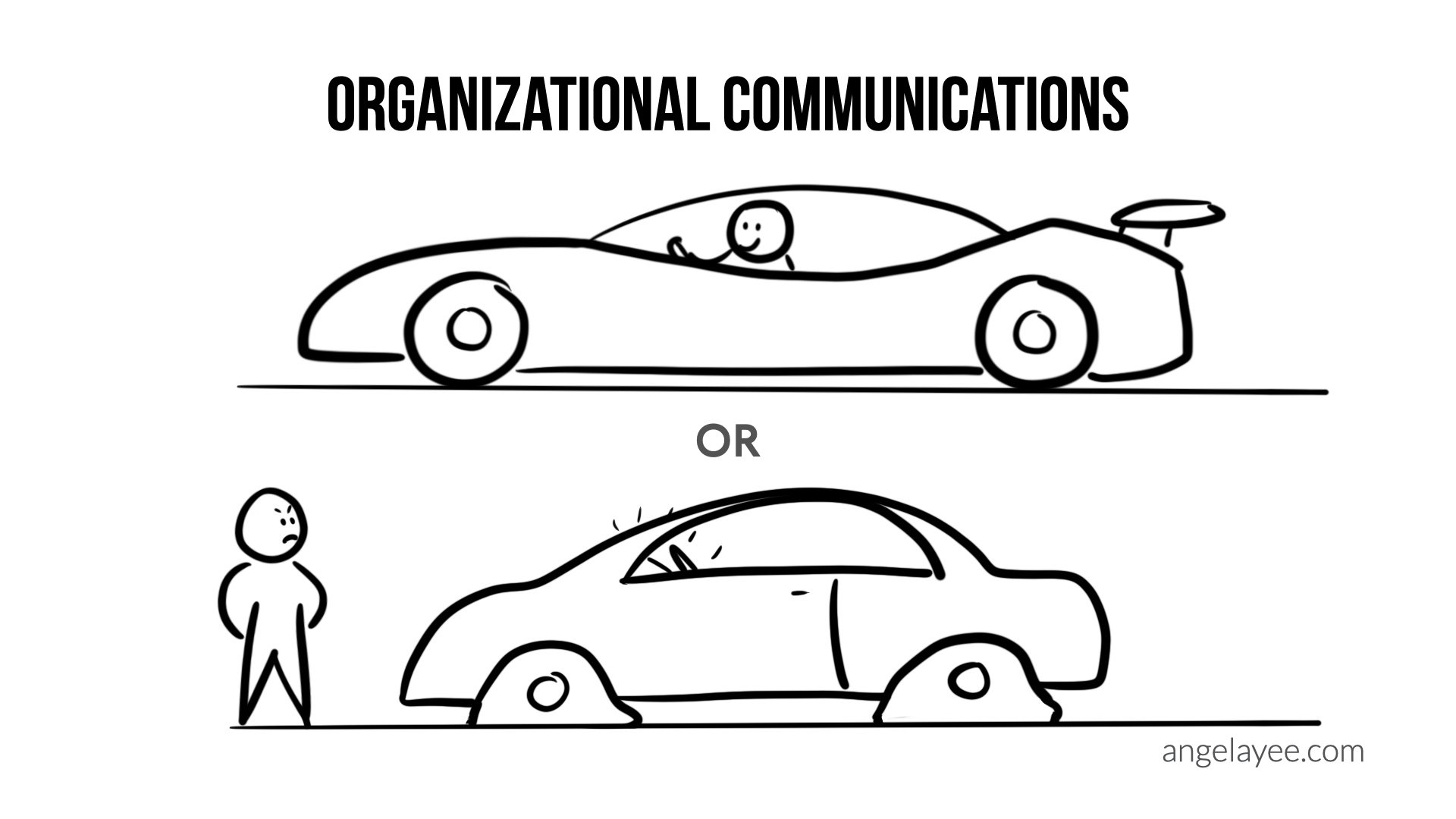
The Communication Problem
The irony is that many organizations have no clearly defined, coordinated way of sharing information! None. Instead, they operate on what I like to call an oral culture.
In an oral culture, information lives in people’s heads. It’s shared verbally, casually, and often accidentally. Documentation is minimal, outdated, or technically exists but no one can find it. People “just know” things. Or they used to. Or someone else does. Maybe. Hopefully.
Organizations hire smart, capable people, hand them responsibility, and then let them become walking filing cabinets of critical knowledge. How things work. Why decisions were made. What not to mess up.
Over time, information gets trapped inside individuals instead of flowing through the system.
One reason this happens so much is because this method works when organizations are small. When there are only a few people, you can just talk, make a decision, and move on. Check. Task completed.
But then the team grows.
And suddenly, communication complexity explodes.
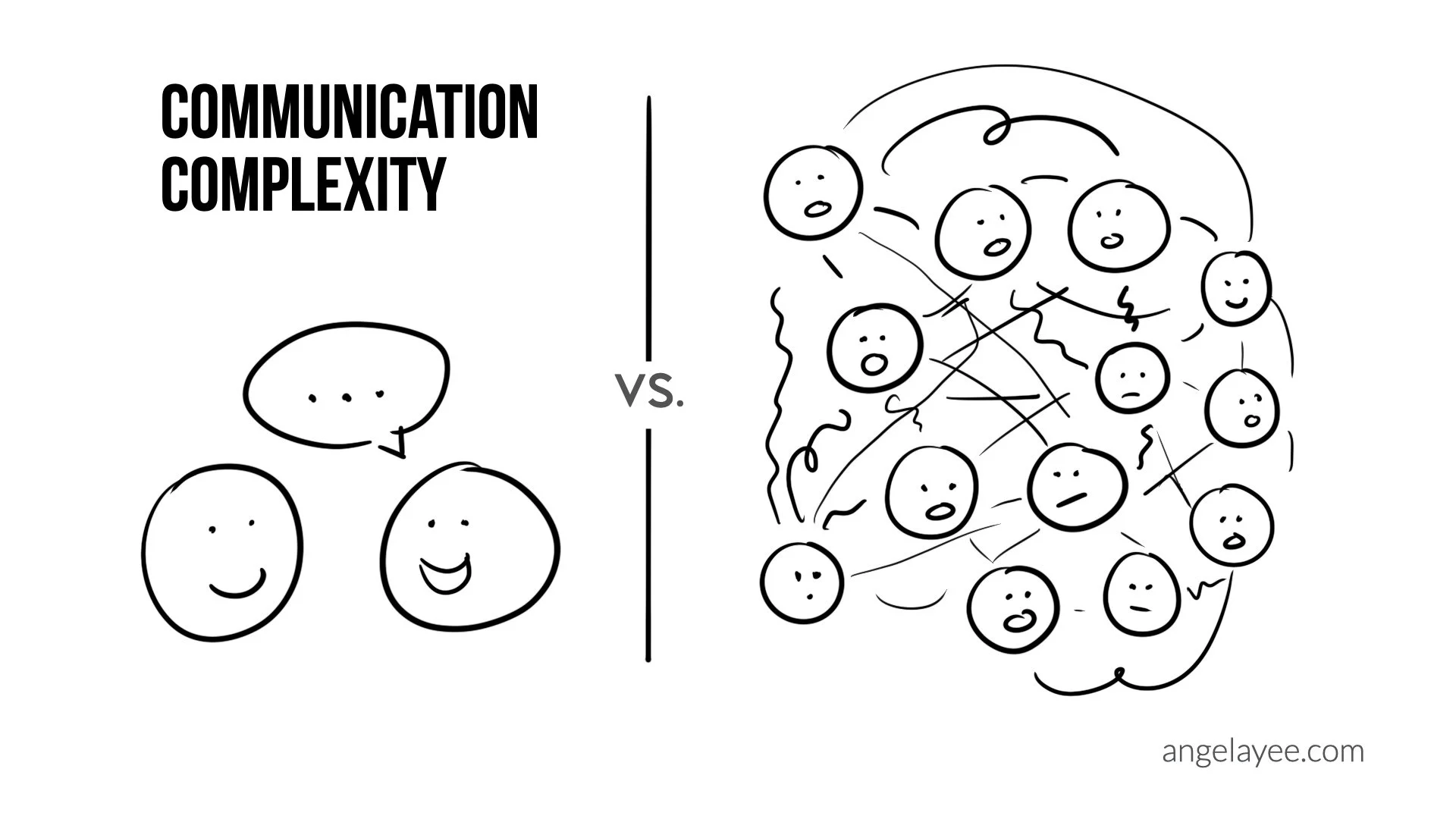
Each new person doesn’t just add one more conversation. It multiplies them. Decisions made by Team A now affect Teams B, C, D, and possibly the intern who somehow found out first.
This is where oral cultures start to crack:
Team A makes a decision and moves forward, completely unaware they just caused a minor crisis for Team B.
Team B is blindsided.
Feelings are hurt.
Text messages multiply.
Meanwhile, Team A is genuinely confused about why anyone is upset. After all, they were just doing their job!
Making communication work
What’s missing isn’t competence or goodwill.
It’s a communication system.
Organizations need intentional ways for leaders to make decisions and then reliably share what was discussed and decided. Not perfectly, nor endlessly. Just consistently.
I like to think of communication as the circulatory system of an organization.
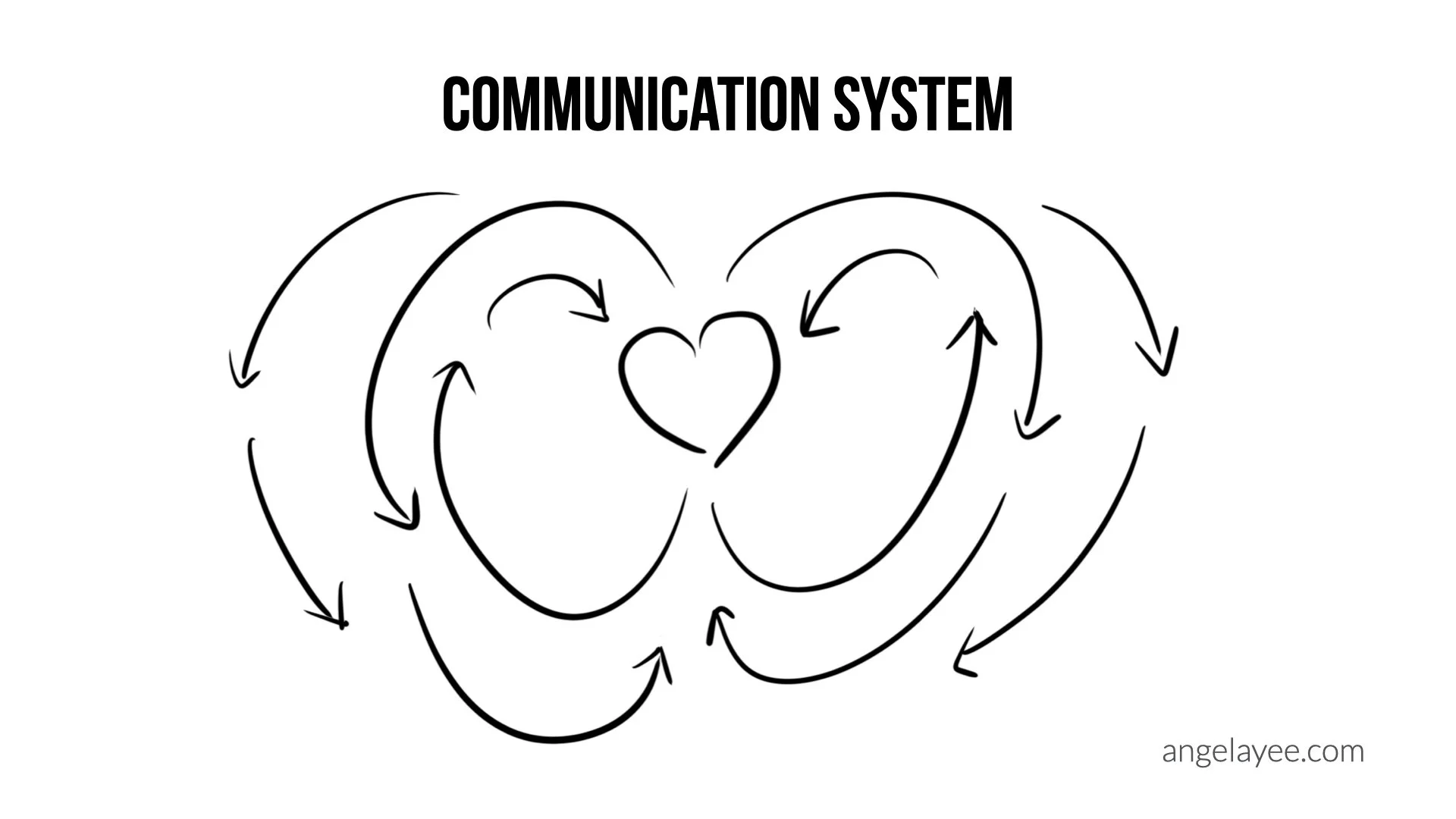
Your body has a heart, arteries, veins, blood cells, and a whole lot of invisible work happening to keep you alive. When that system works, you don’t think about it. When it doesn’t, everything else struggles.
Information works the same way.
You don’t want the grapevine to be the main news outlet. If this is your main communication channel, then chances are that someone, somewhere, is miscommunicating the facts!
You want decisions and context to reach the far edges of the organization. You want clarity to travel faster than rumors.
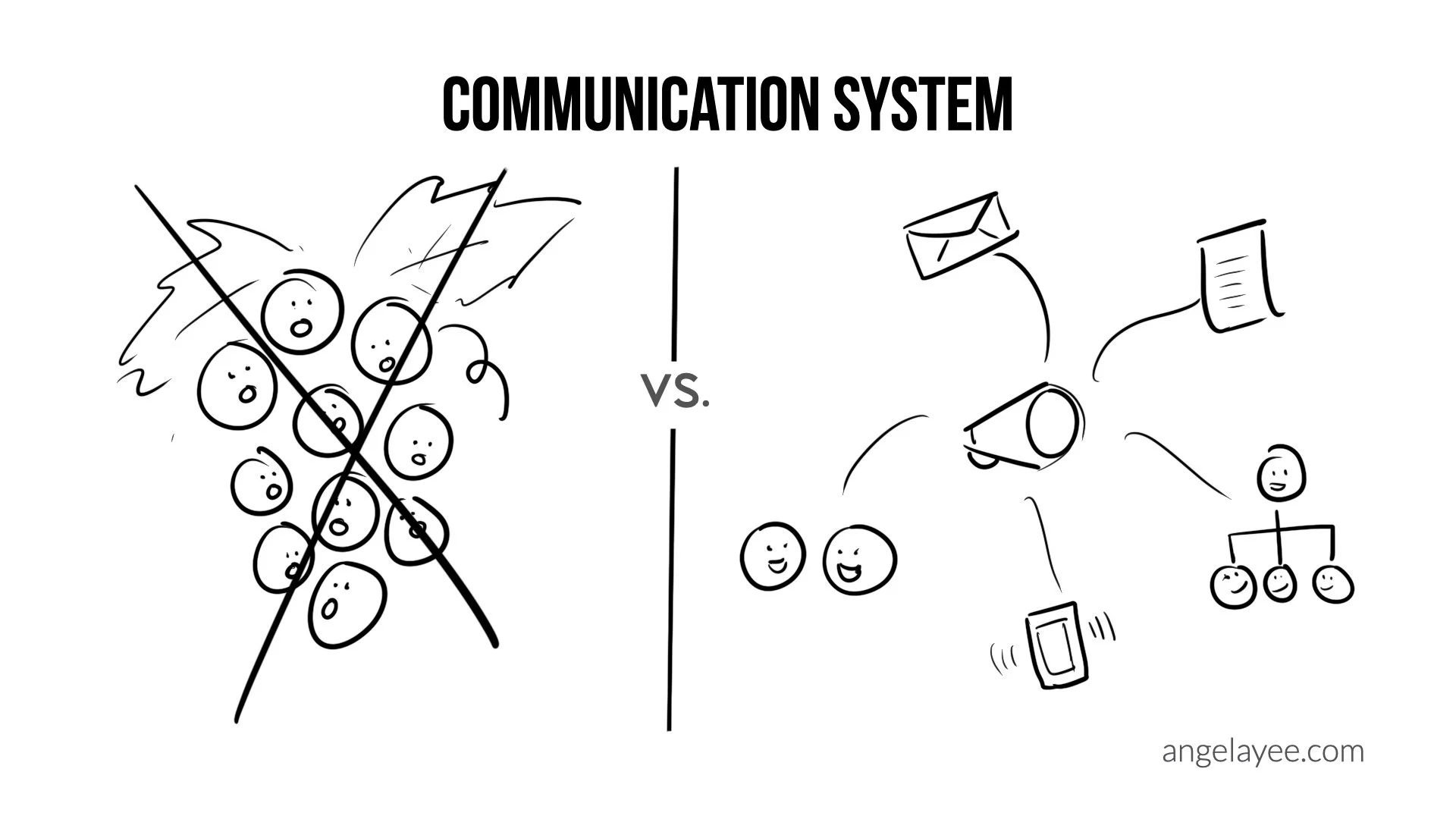
One common approach is cascading communication. Leaders meet, then each leader goes back and tells their team what happened.
This is better than silence. Gold star!
But it’s not enough.
Human memory is unreliable. What felt obvious in the meeting gets fuzzy by the time someone explains it later. Important details disappear. Emphasis shifts, and suddenly, three teams heard three slightly different versions of the same decision.
That’s why a both-and approach works best.
Team leads talk with their teams — very important. AND, afterward, it helps to follow that with short written communication capturing key decisions, priorities, or changes. Avoid novels or essays — just share enough to give context and strengthen shared understanding.
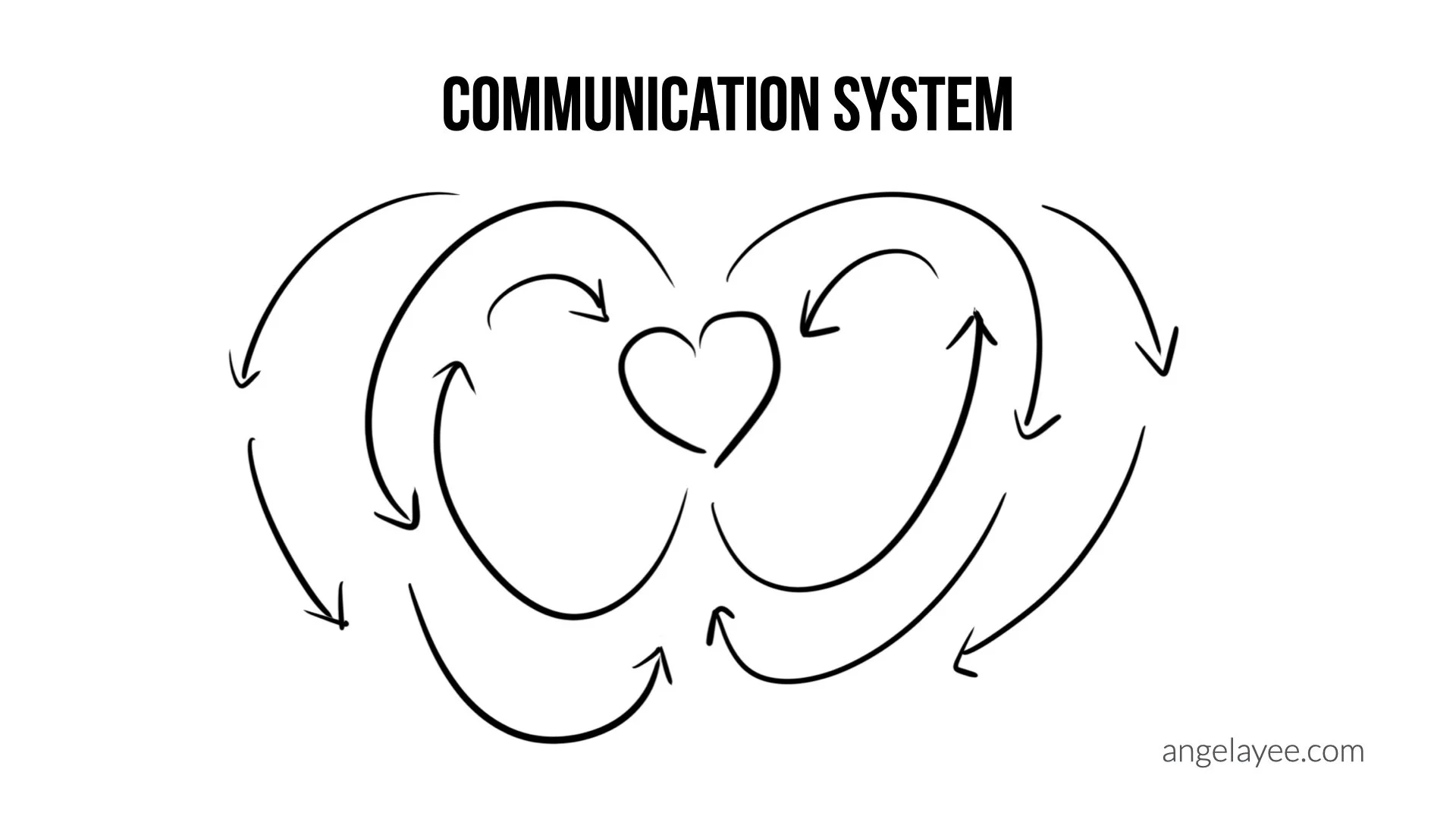
Of course, not everything should be broadcast to everyone — sensitive decisions require care and change management. But no system at all creates its own kind of chaos.
Common communication breakdowns
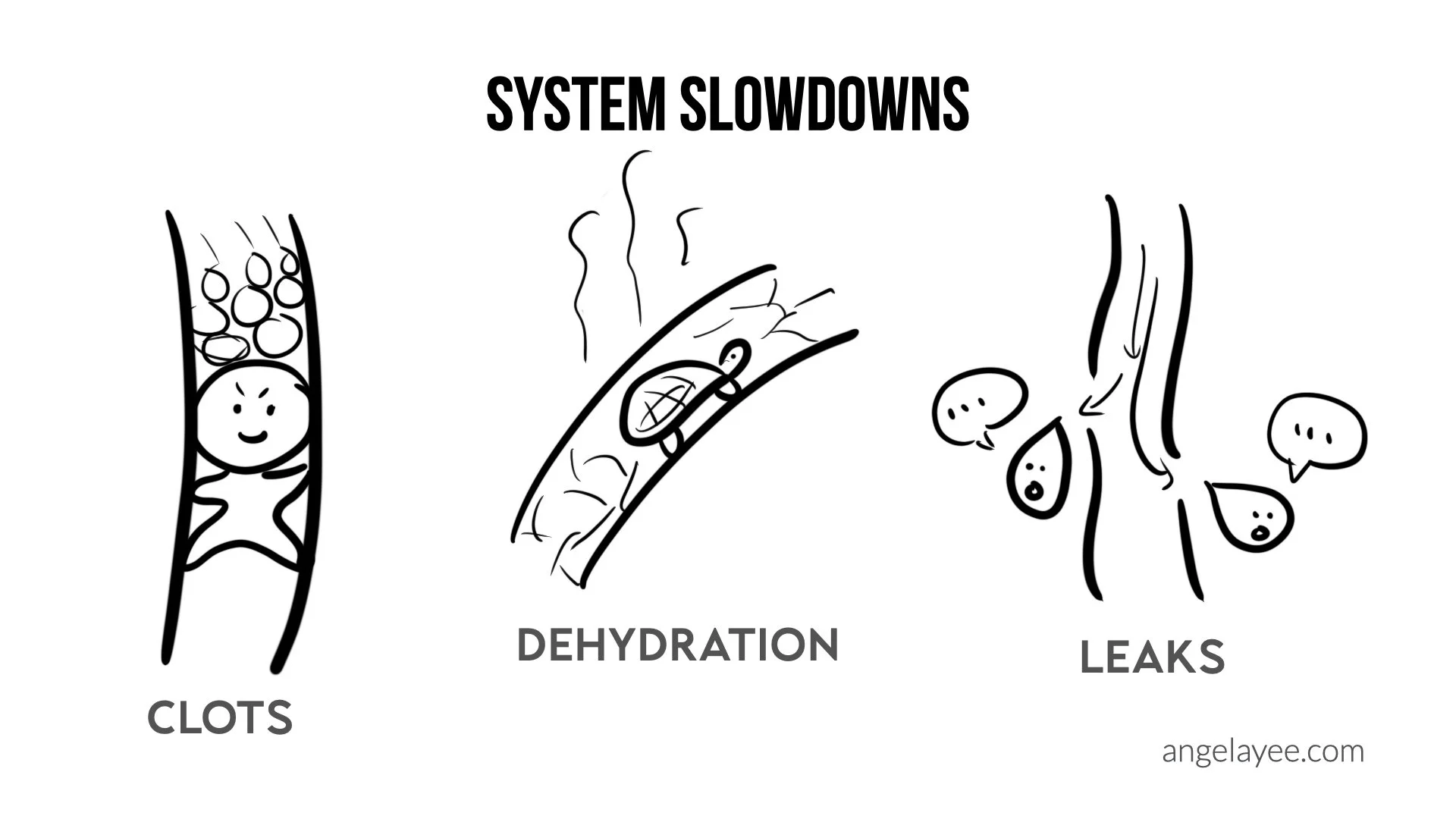
Just like a circulatory system can malfunction, communication systems fail in predictable ways.
Blood clots are bottlenecks. Information gets stuck.
One person approves everything.
Knowledge is hoarded “for safekeeping.”
Work slows and frustration grows.
Dehydration slows down the bloodflow of communication. Just like blood thickens when you’re dehydrated, your information flow becomes sluggish.
Decisions take forever.
Updates arrive too late.
Teams get stuck, waiting for clarity while momentum slips away.
Leaky arteries are common in organizations — information “leaks” into inappropriate areas.
Confidential details spread.
Gossip fills the silence.
Trust crumbles and everyone feels slightly on edge.
What leaders can do
As a leader, you see more of the system than most people. You see how decisions ripple. That makes communication part of your job, not a bonus task you squeeze in later.
When information flows well, people do better work.
When it doesn’t, even great teams struggle.
It’s important that you consider how decisions are communicated so that teams can process what they’ve learned. They then can loop feedback back to the decision-makers and share information out to relevant parties. This creates a healthy circulatory system of information that keeps all parts of the organization and team healthy.
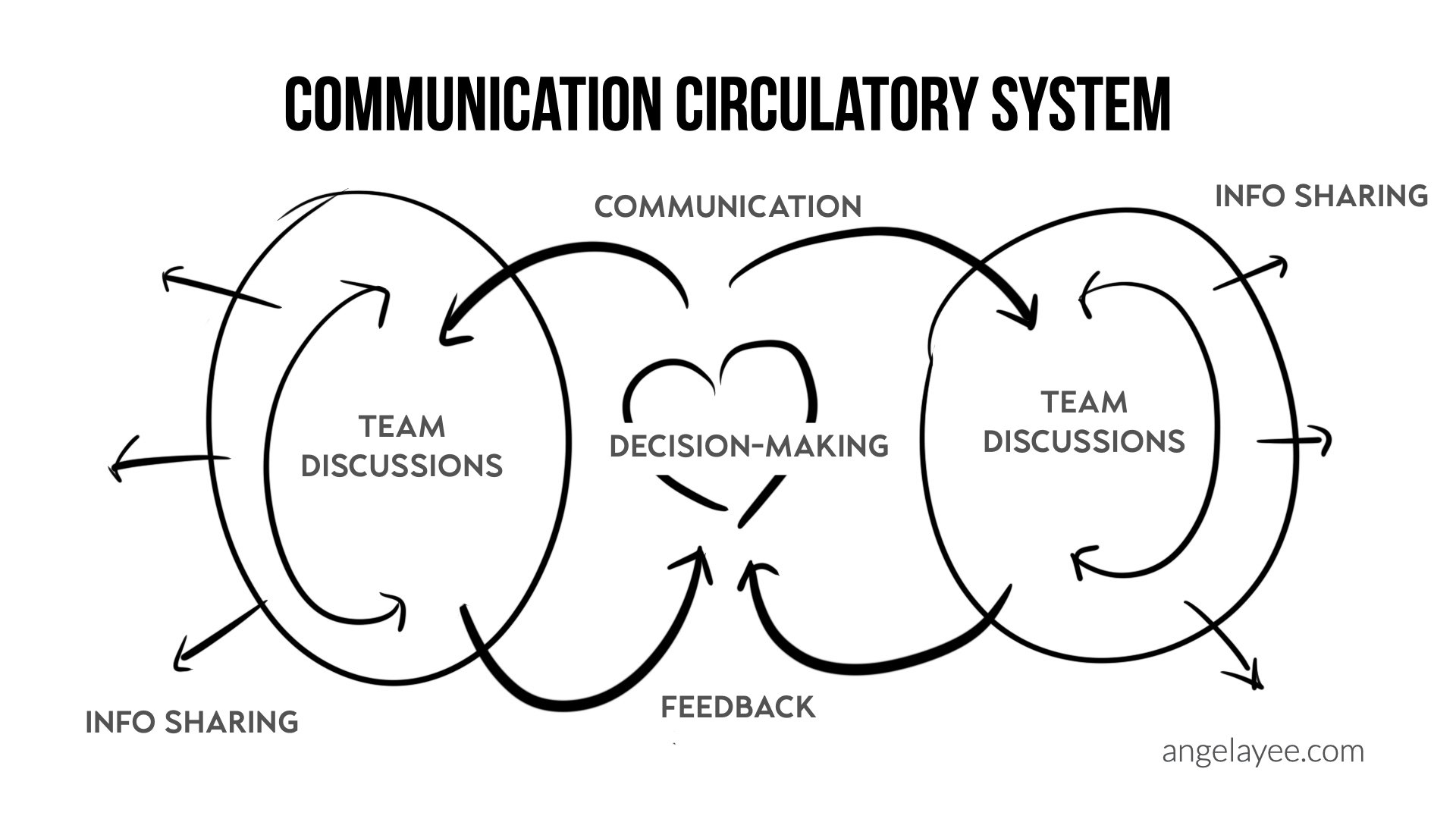
The leader is critical in developing a robust communication system. When you champion the flow of communication, you build a culture where people share information with one another. Building formal systems, channels, and rhythms of communication ensures that people receive information they need to know and moves away from reliance on a grapevine.
To improve your information circulatory system:
Map how decisions currently get shared.
Notice where information slows, leaks, or gets stuck.
Talk to key leaders about how to create information channels that distribute broadly.
Add one simple written follow-up after key leadership discussions.
Strong organizations don’t just make good decisions. They move information through a well-planned information system. When you elevate communication and information-sharing, you enable greater levels of coordination, collaboration, and execution.