
It's so annoying when things get stuck.
Most leaders I know hate bottlenecks. They start to feel their blood pressure rise when they have to wait…and wait…and…wait.
Or when what used to work smoothly suddenly bogs down because one person received 50 emails on this topic that they never responded to.
Meanwhile, the other team members are out drinking coffee because all work has ground to a halt until the problem gets solved.
Bottlenecks are maddening.
The Case of the Baffling Bottleneck
Recently, I talked with a leader who was facing a similar problem.
The good news was that things were growing explosively. Energy was high. Opportunities were everywhere!
And right in the middle of all that progress was … a bottleneck.
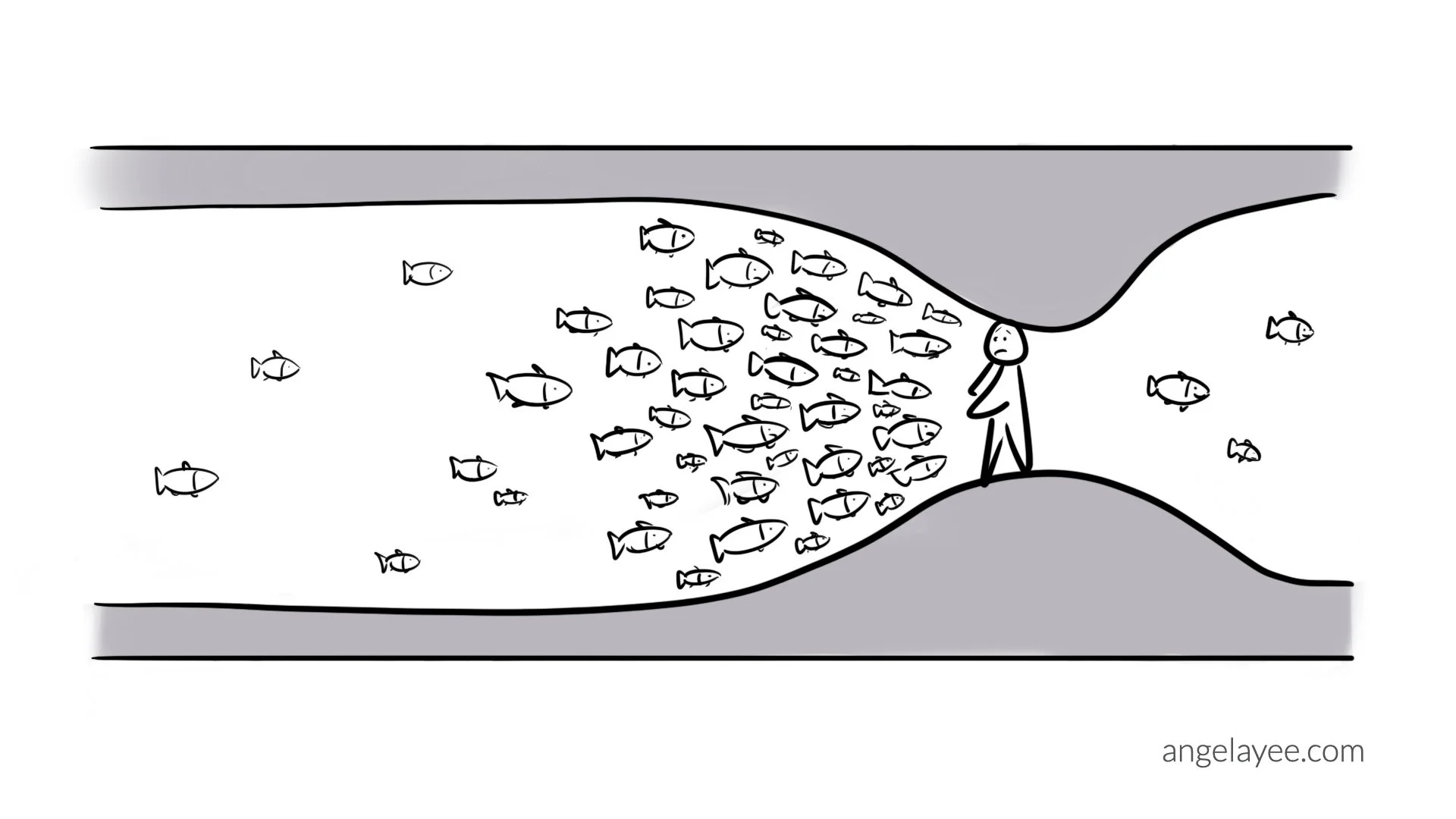
Despite having a very capable and hardworking team member, things were falling through the cracks, and the staff member was overwhelmed.
So, I asked this leader three questions. These questions were simple, but they got to the heart of the matter faster than a three-hour strategy session.
If something feels stuck on your team, maybe one of these is the reason. They also apply equally well when you are facing numerous dropped balls.
1. The Person
The first question to ask is:
Do we have the right leader in place?
This sounds so obvious, which is probably why it gets skipped.
It starts with asking the first part of the question:
Who’s leading this?
Sometimes, when I ask who owns the area of the bottleneck, there's an uncomfortable pause.
I see team members glance at each other furtively and then finally admit, "We're not exactly sure."
…Or I hear a tiny mutter, “No one.”
That's when we realize that nobody actually owns the area or process where the bottleneck is happening.
If ownership isn’t clear, the work will stall. Without a clear leader, it is hard to ensure that the work gets done.
People assume that somebody else will take care of it. I things slow down, you need a leader examining the logjam to see what’s gumming up the works so that the flow of work can be released. So if there isn’t one…you have a bottleneck.
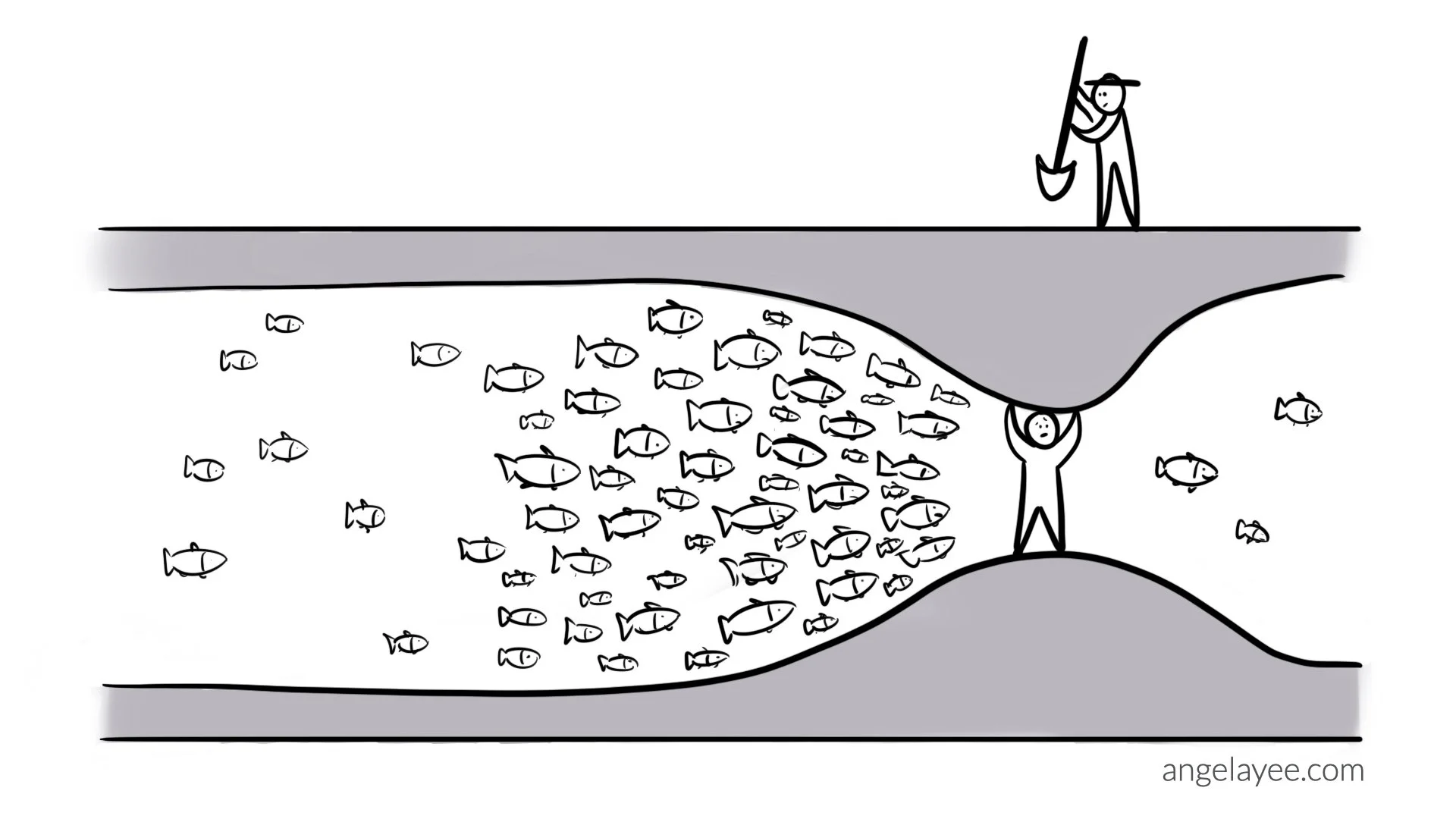
But let’s say there is a leader. We’re not yet done!
The next question is just as important:
Is this the right kind of leader for this role?
Even if you have a highly skilled person, if those skills don't match the needs of the job, then once again, you end up with a lovely bottleneck. So, examining the fit is highly important.
If you have an area that requires a lot of people influence and conversations but the leader is very organized and loves to sit in front of the computer, then there are going to be a lot of disappointed people complaining.
If you have an area that requires a smooth process, but the people-oriented leader is out chatting and having coffee with others, your process won't move forward, and everything will get backed up because the leader isn’t paying attention.
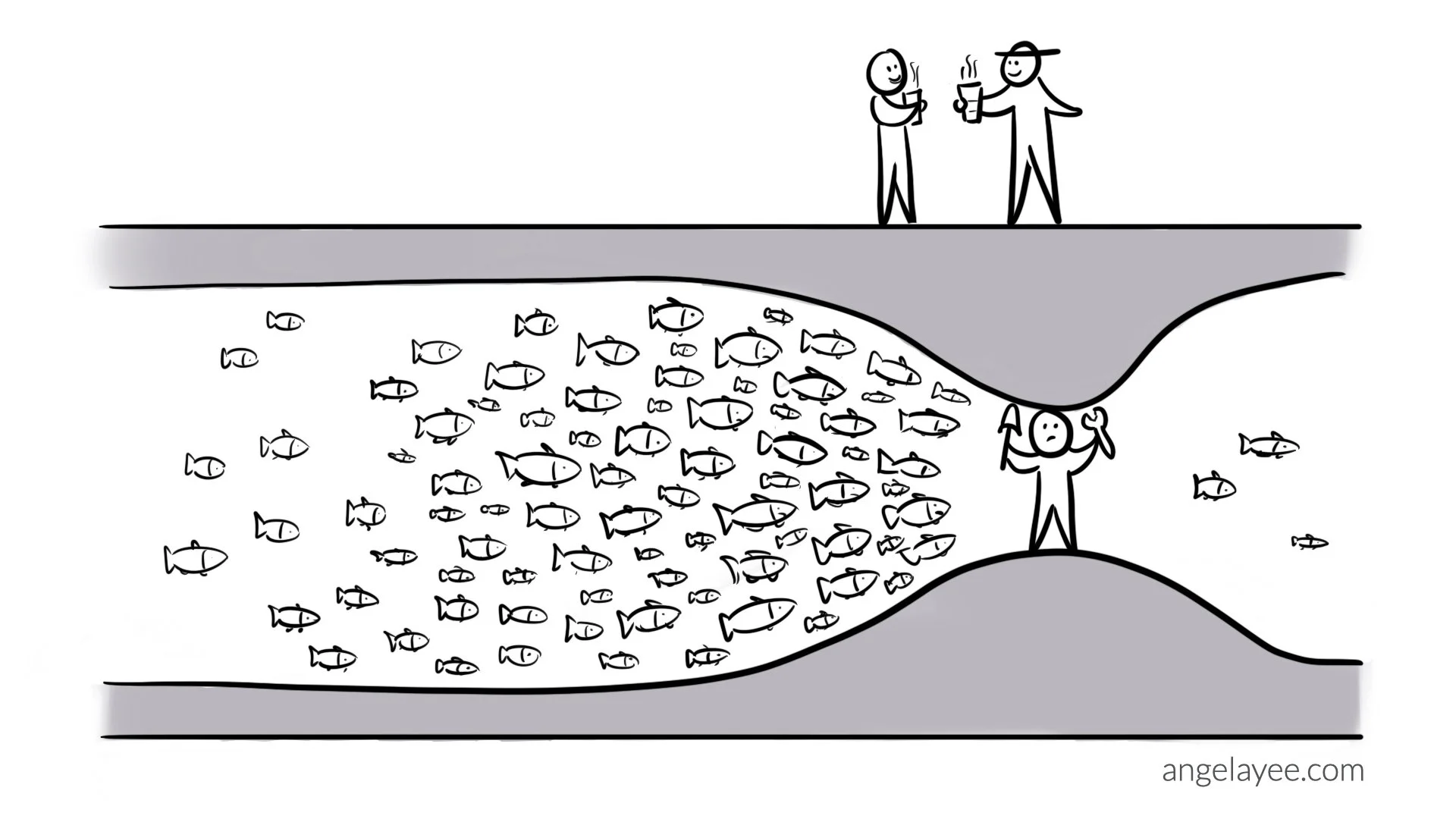
And sometimes, you don’t really have a leader at all. You have a very skilled expert and individual contributor. But they are very happy to do all the work themselves, and the thought of leading others is draining. So they putter around on their own as the work stacks up around them.
We're not talking about character issues here. If you have character issues, that is a whole other issue altogether. But we are talking about whether this person's skills match what is needed in order for this area to grow effectively. And sometimes, the role outgrows the person, which is another difficult situation to address.
So, make sure that the leader fits the need and the role.
2. The Team
The crux of the second question is:
Do we have the right team in place?
I can't tell you how many times I have asked how many people are working in that area, and the answer is just one.
When I ask, "Do they have a team?" there is another pause.
I can almost see the gears in the brain clicking, and then the realization hits.
It can feel like it's a no-brainer once they realize that one person is working alone without a volunteer team, which is why everything is backing up.
Sometimes we, as leaders, fall into the assumption that the way to address a problem is to hire the right person. Done. Box checked. Problem solved!
And that may be true in the short term, but in the long term, as the area grows, responsibilities increase, and demands grow complex, complexity, disruption — and sometimes chaos! — enter the system.
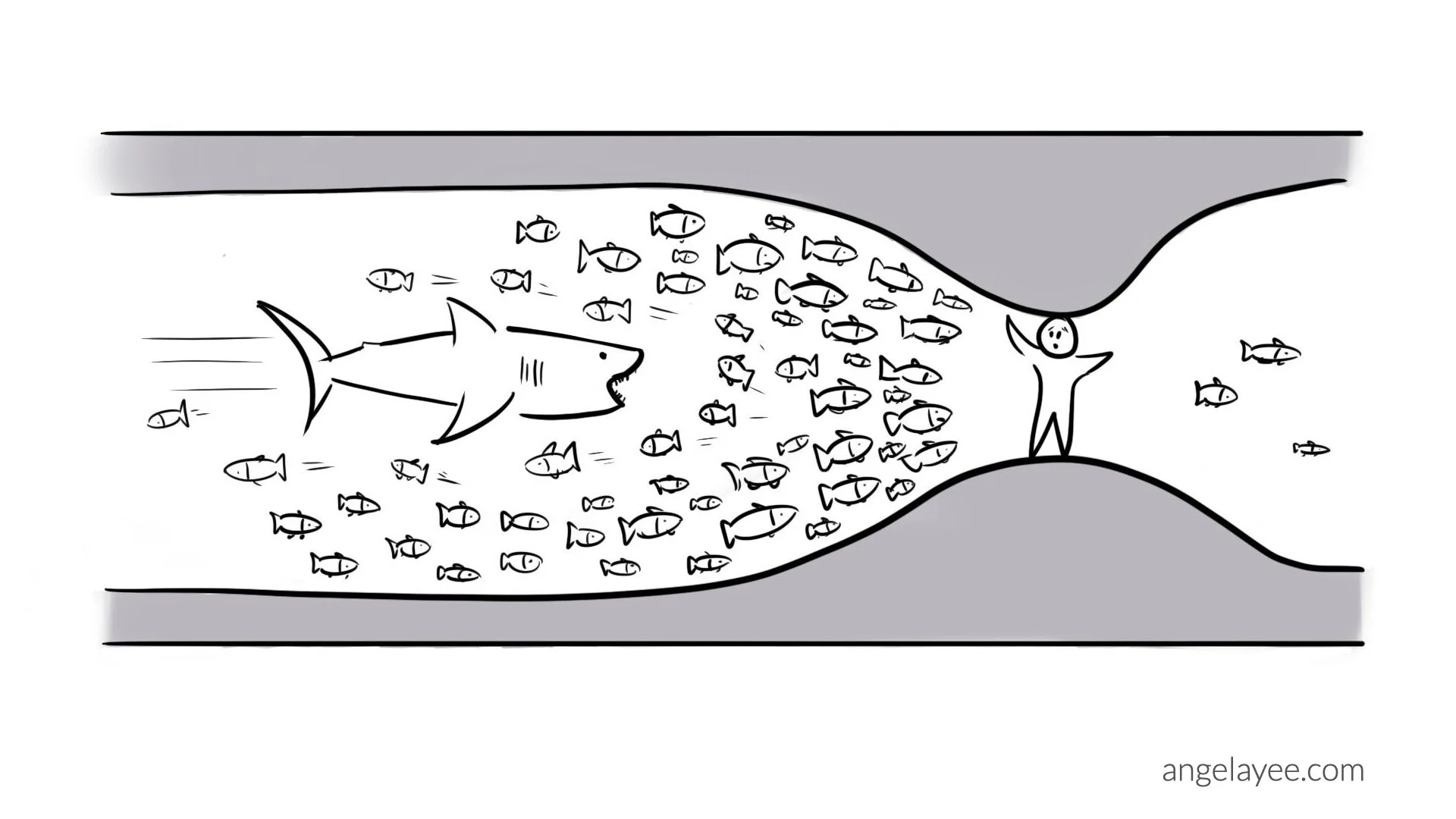
Facing the mounting challenges, the stress and load increases. Now, one person is expected to do the work of three. And face overwhelming circumstances alone.
You end up with not a performance problem, but a structural problem.
When there's no team, it's very difficult to scale. There's no shared ownership, no multiplication of touchpoints with people, and no strengthening, leveraging, or growing the capacity of that area to get the work done.
It's just one person who works harder and harder and then burns out.
So, every role needs to ask, "What team should exist to support the work?"
Because sustainable growth is never a solo effort.
3. The Process
Even with the right leader and the right team, things can still stall because sometimes there is something missing.
Do we have the right process in place?
Friends, we are missing a process!
There's a lot of activity going on. People are in constant meetings, emails fly right and left. When you pass team members in the hallway, you see a streak of light blazing past you, saying, "Heytherehowareyouhopeeverything’sgoingwellgottagobye!"
You can almost see the clouds of smoke rising from their hair on fire.
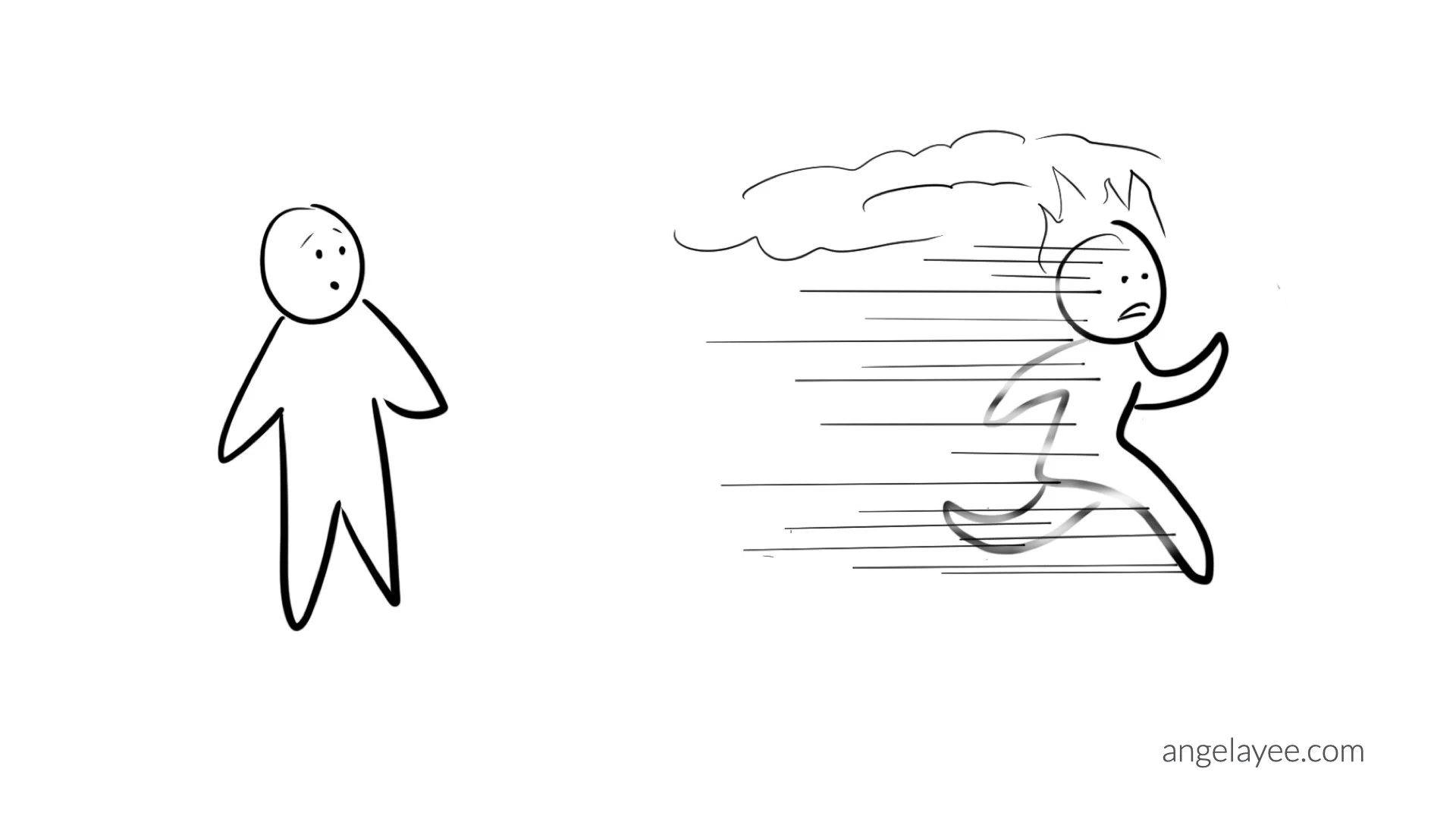
But when you dig deeper, you realize that there is no organized process.
Everybody is in reaction mode, and the work gets reinvented over and over and over again.
Decisions get revisited, things fall through the cracks, and then there is a sudden flurry of communication, and then a mile-long gap of silence.
There is a very real reason for that logjam in the process.
It’s because there isn’t one.
Just because there’s a bottleneck doesn't mean that people aren't trying. Sometimes it's just that there's no clear path for the work to flow.
A clear process doesn’t mean an overabundance of red tape. It means people know:
what happens first
what happens next
who is responsible at each step
how decisions get made
Without that, even great teams end up stuck in constant reaction mode.
And no amount of rushing around can fix a missing pathway.
Three Simple Questions
If something feels stuck on your team, resist the urge to jump straight into fixing symptoms.
Instead, walk through these three questions:
Is ownership clear, and is the leader a good fit for what the role requires right now?
Does this person have the team they need, or are they carrying this alone?
Is there a clear, repeatable process, or are we relying on effort and memory?
You don’t need a full overhaul to get things moving again.
Sometimes removing a bottleneck is as simple as clarifying ownership, adding support, or creating a basic pathway for the work to flow.
And when that happens, everything that felt stuck starts moving again.