
Falling Piano Syndrome: Why Great Decisions Get Terrible Reactions
a baffling Team Response
Have you ever shared a decision with your team and felt like the whole room rose up in mutiny against you?
It can be so baffling. After all, it makes complete logical sense. There are so many good benefits. It seems like such a no-brainer.
So why is everyone so upset?
There's a reason for that.
It's called FPS.
Not frames per second.
Falling Piano Syndrome.
Your team has just felt like somebody dropped a piano on them from a 15-story building. Blindsided and crushed by a sudden, unexpected change that has smashed their equilibrium and shattered their daily rhythm.
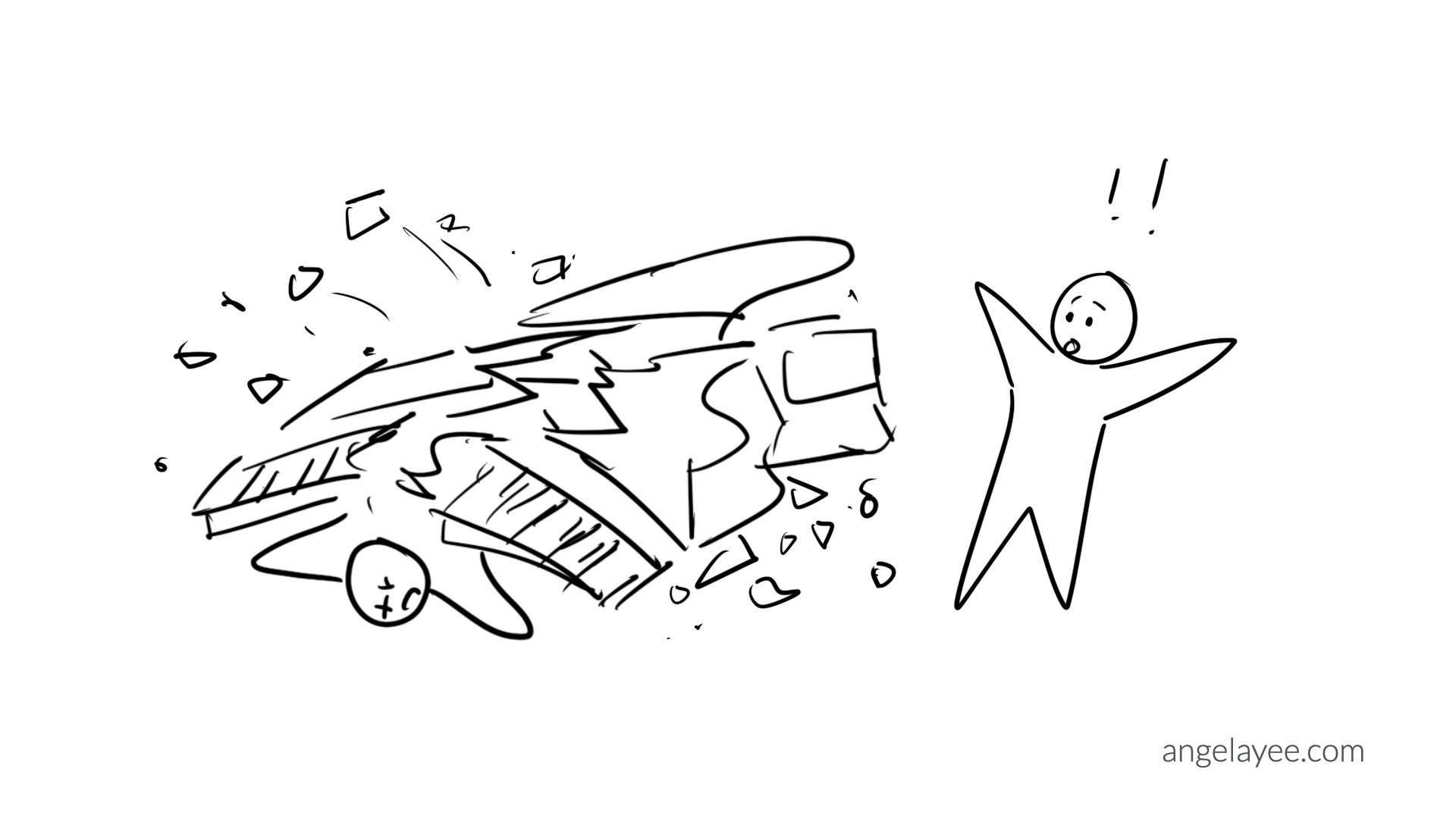
What?! My doctor friends are already whacking their foreheads with their palms. Falling piano syndrome? This is not a syndrome! I can hear them already.
And they're right! It's not a real syndrome. But — my AI tells me that "a syndrome is a recognizable group of signs, symptoms, or characteristics that consistently occur together and are associated with a particular condition" — and that is exactly what I'm going with here.
Because Falling Piano Syndrome has a very consistent set of characteristics:
A leader comes from on high and declares a new decision that has been made
The team is surprised by this news — perhaps even shocked
There was no warning, or the advance notice was very short
Whether the news is good or bad, it disrupts the team's normal rhythm and has implications for how they do their work
So there they were. Standing in the lovely, shaded front of the building with the green trees and pleasant environment, sipping their coffee.
And then somebody dropped a piano off the edge of the building and smashed them flat.
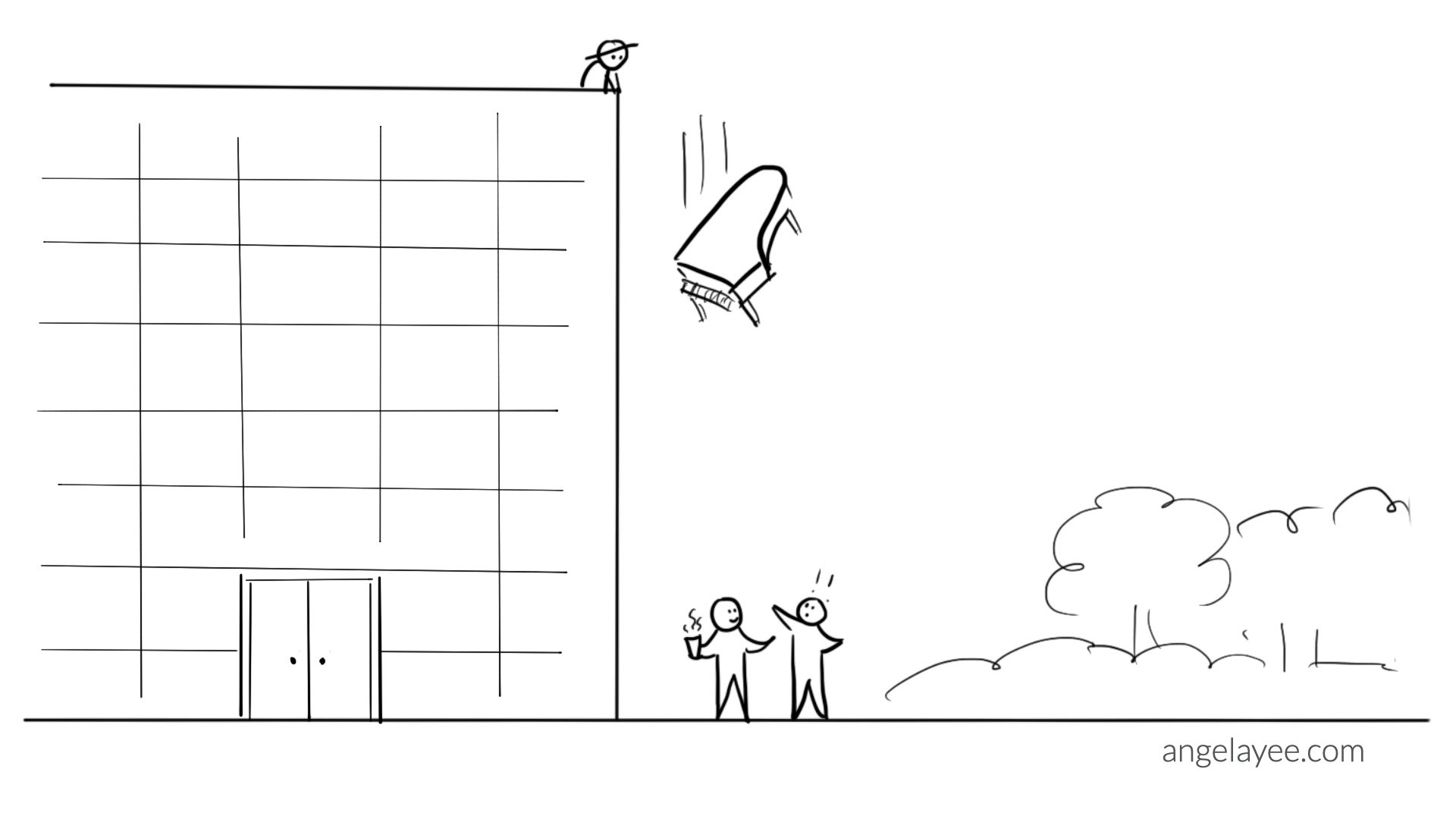
If you've been the one dropping the piano — hey, I empathize with you.
After all, I have been known to drop a piano or two.
Or more.
Most leaders I've known are well-meaning. They feel great about the decision. So when they announce it, and the team doesn't immediately embrace it, the whole thing feels baffling. Or even frustrating.
And there’s a reason why leaders like to drop pianos off buildings: it is extremely efficient! It just takes a few seconds. Piano goes from roof to ground, one second flat.
Unfortunately, it is also now in one million zillion gazillion pieces.
Which means it is not terribly useful as a piano.
So. There must be a better way of getting that piano from the roof all the way down to the ground!
And that, my dear friends, is why the wise move is to inviting people to become a Piano Pushing Team.
Building Buy-in
Piano Droppers are leaders who suddenly drop news onto their team. There’s no advance warning. The updates come as a complete surprise.
This is fine for a small update that doesn't significantly change anything — but when the news is something significant, and it just lands suddenly? That's when the leader becomes a Piano Dropper.
A Piano Pushing Team is a very different approach.
The Piano Pusher leader doesn't just push the piano themselves. They invite another person to help nudge it in the right direction.
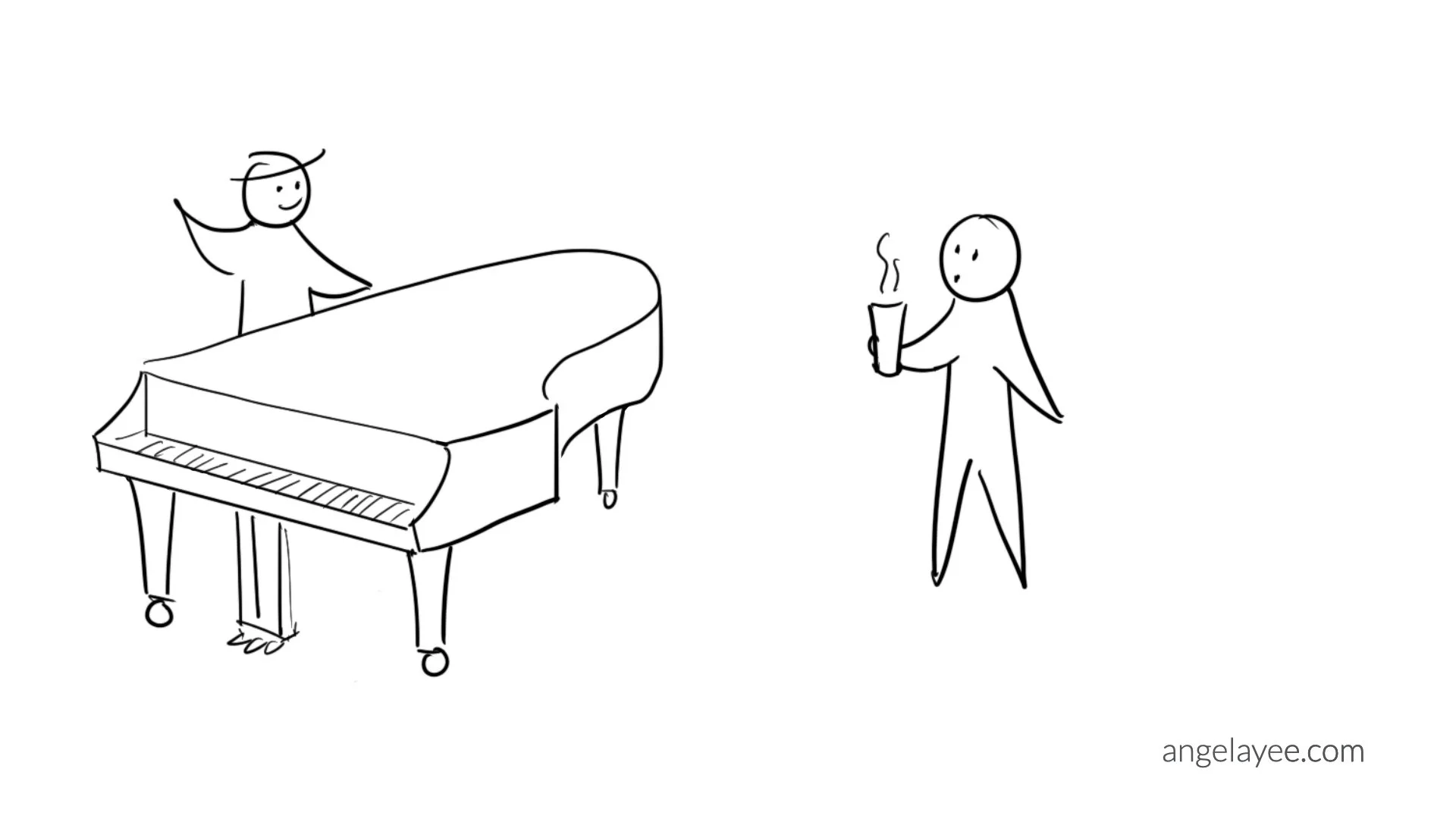
That means before a decision is even made, the leader has an informal, casual conversation with someone on the team — just sharing the idea. And then — and this is the important part —
They pause.
When you pause, you give the other person the opportunity to share their opinion.
And the most skilled Piano Pushers go one step further: they don't get defensive. They thank the person for their feedback. And they actually consider it.
Now, sometimes the feedback is completely out in outer space and not remotely feasible. There is an art to graciously thanking someone for their idea without accidentally committing to it. It’s something like: "That’s very intriguing. I’ll jot that down — I'm not sure it fits into the scope of what we need to address right now, but I don't want to lose it. Thank you so much for sharing that."
But other times? The feedback is truly useful. And if multiple people are flagging the same thing, that is definitely something to pay close attention to. We all have blind spots, so having your team weigh in can ensure you're making the best decision possible.
Then the leader moves onto the next person and engages in a similar conversation to ask for feedback.
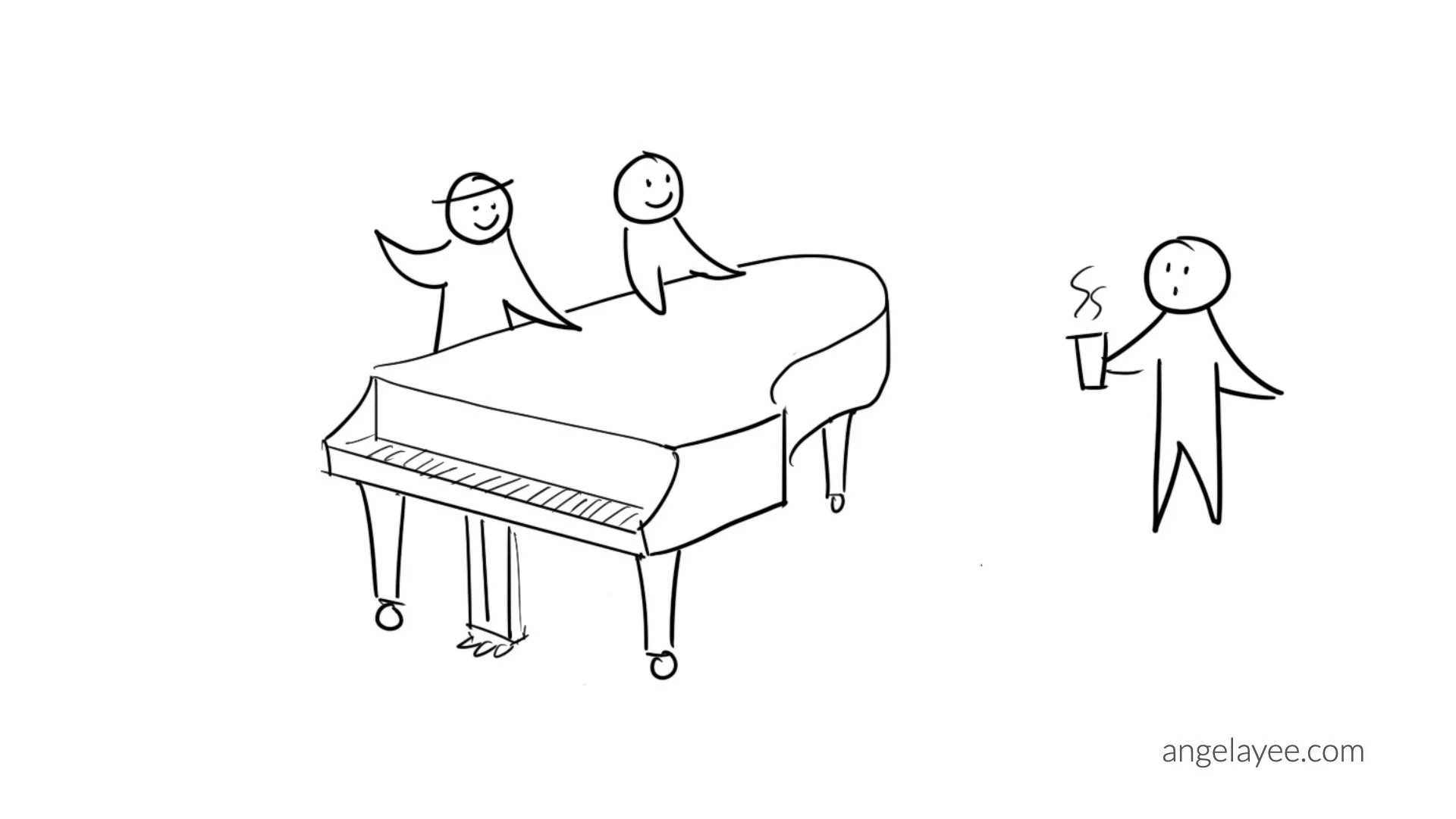
And what happens is, little by little, as you invite others, everybody gathers around the piano and starts pushing it — inch by inch.
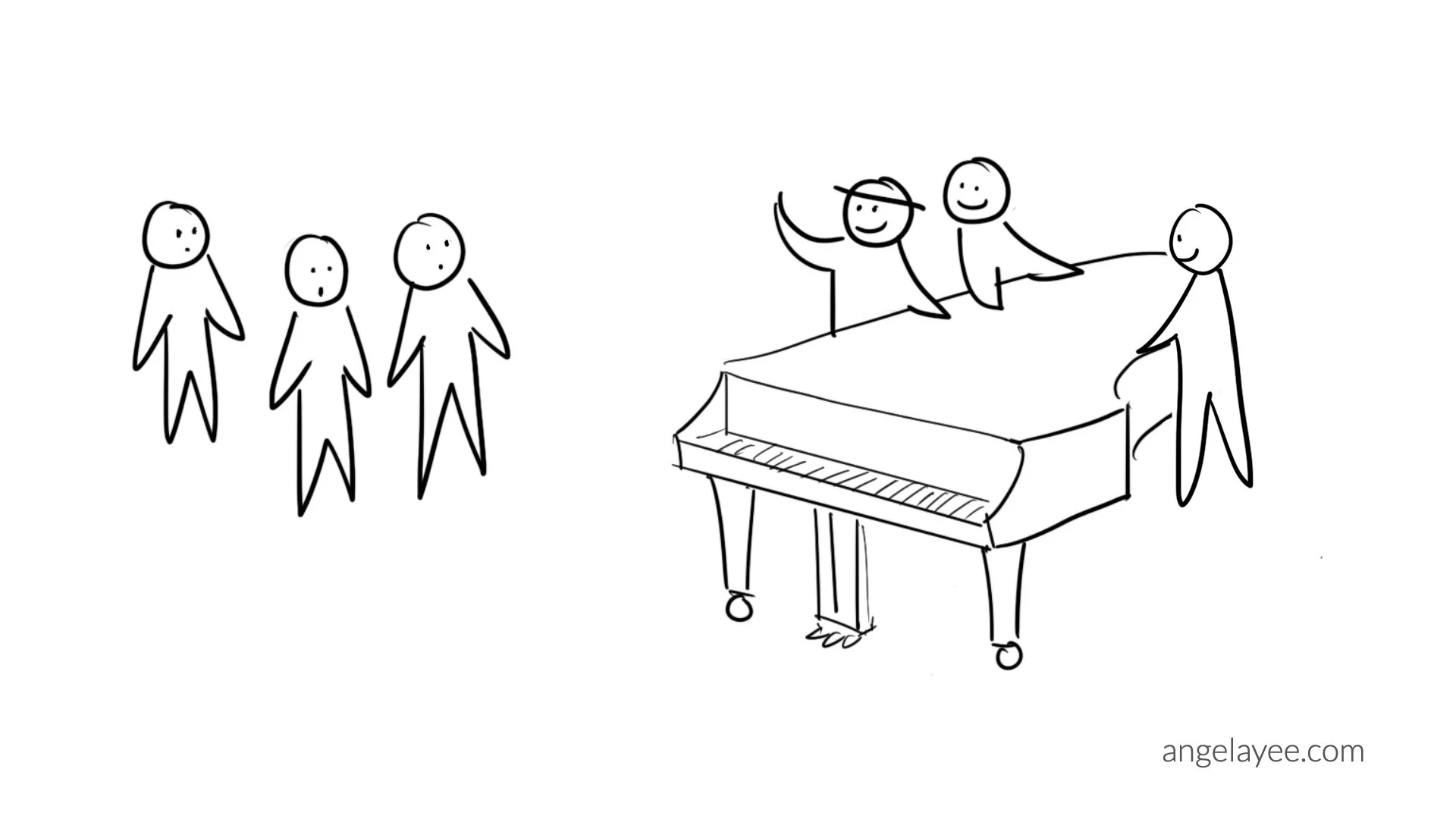
Until you hit the elevator.
Now you have a whole new problem.
But that — my dear friends — is a story for another day!
Practical Takeaway: Stop the Drop
Signs you might be a Piano Dropper:
Your team seems surprised — or upset — by changes that felt obvious to you.
You tend to announce decisions rather than discuss them.
Your updates often include the phrase "effective immediately."
How to start Piano Pushing:
Before a decision is final, find one person and share the idea casually — just to think out loud.
Pause after you share. Don't fill the silence. Let them respond.
Thank people for feedback, even when you're not going to use it.
If multiple people say the same thing — that's not resistance, that's important data.
A heads-up before the heads-up goes a long way — even "something's coming, I'll share more soon" gives people time to adjust.
In the end, Piano Pushing gives you a whole piano AND a whole team pushing in the same direction. And sometimes that’s faster than dropping a piano and then having to roll back the decision and redo it.
So drop the drop and pick up the push!
___
Have you ever been on the receiving end of a falling piano? Or — confession time — have you been the one on the fifteenth floor? I'd love to hear your story in the comments.