
How to move forward without second-guessing
I remember the day I took an innocent life.
It happened in a split second on the freeway, and it had everything to do with indecision.
Many of the leaders I have worked with are decisive, confident decision makers. Making decisions is like drinking water — no thought needed!
And then there are the rest of us.… The overthinker. The ones who suffered from analysis paralysis. The ones who make a decision and then go back and think that wasn’t the right decision… Or was it?
And meanwhile, our teams stall. People hesitate to act because they know that the decision may change again. They lose confidence because even if they don’t say it, they know that their leader’s middle name is Waffle.
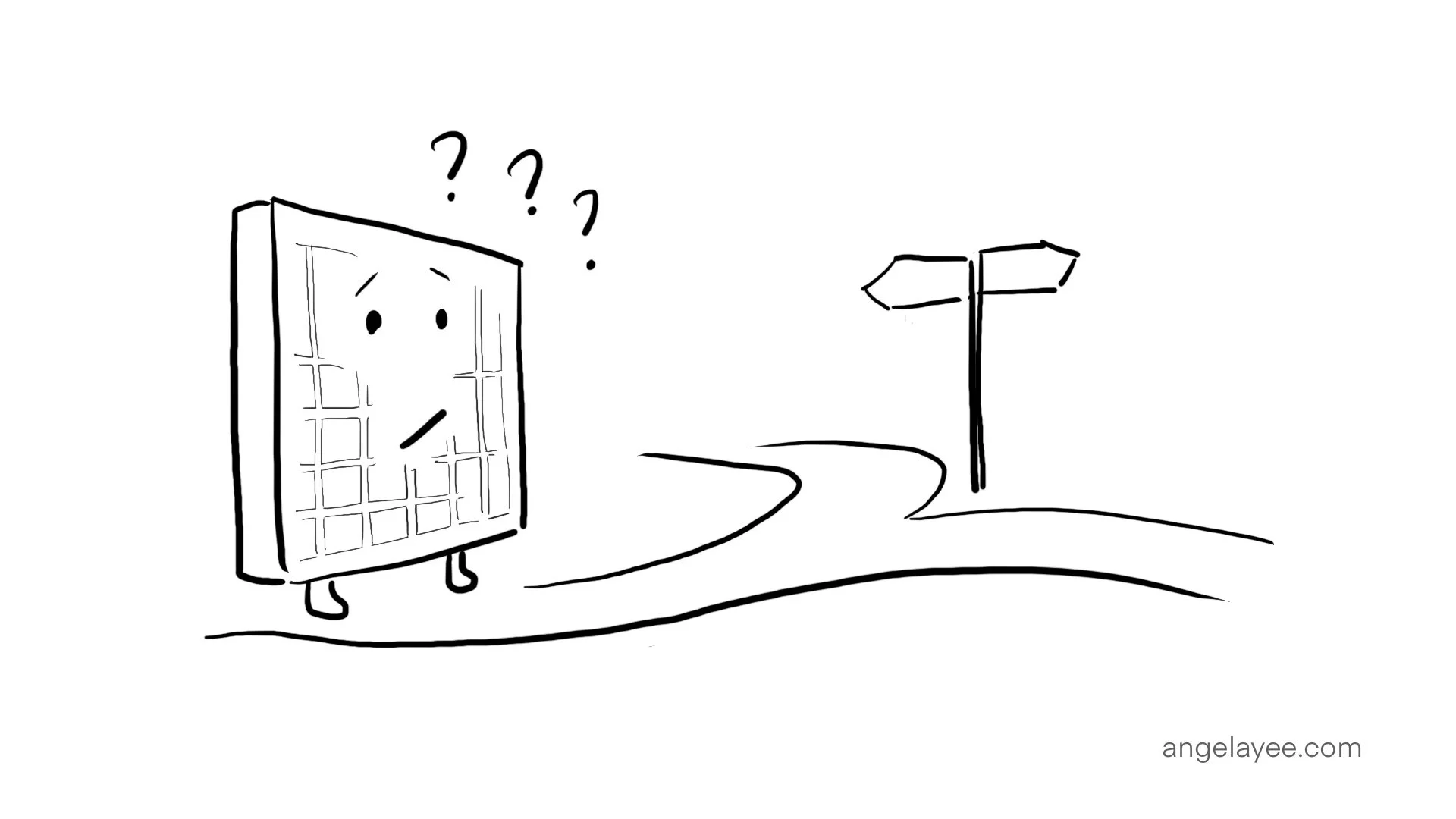
No doubt — it’s great to be careful. But there’s a balance — even with the best of intentions, hesitating too long causes consequences.
The split-second life-and-death moment
For me, there was no better demonstration than the day when I was driving on a freeway.
Suddenly, a grey streak flashed in front of me.
A squirrel.
Instead of continuing to cross the road, the squirrel saw my car coming — and stopped.
We locked eyes with each other.
My brain froze. The squirrel froze.
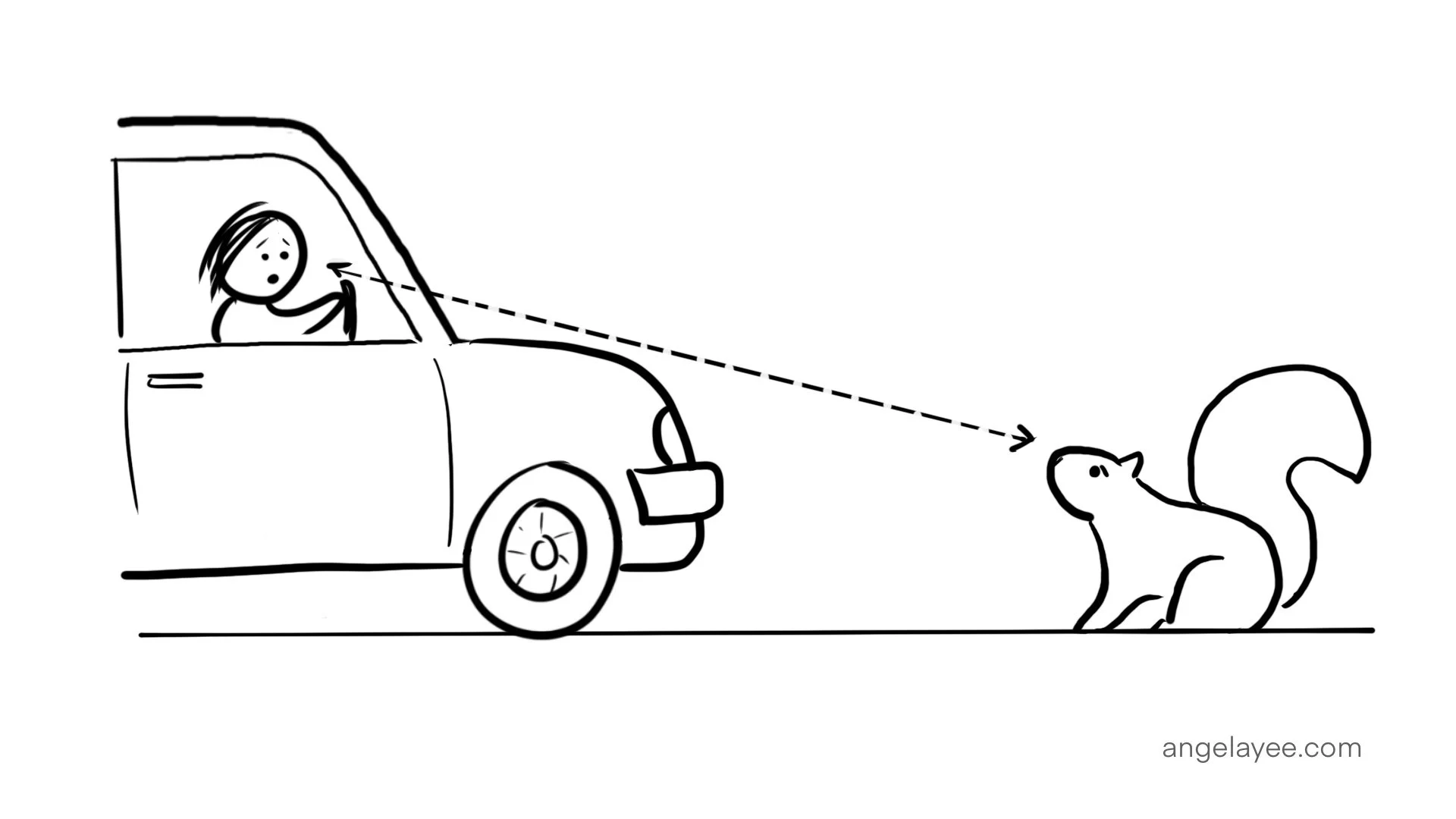
Before either of us had a chance to make a decision, it was over.
I couldn’t make up my mind, so in that split second the car barreled forward.
Right over the squirrel.
I saw the hapless creature spinning in circles in my rear view mirror.
I was mortified.
Hesitation has consequences.
Two Types of Decisions
There are two kinds of decisions. They are like two kinds of doors to walk through.
One is a door that locks if you walk through it — the irreversible decision. There’s no going back.
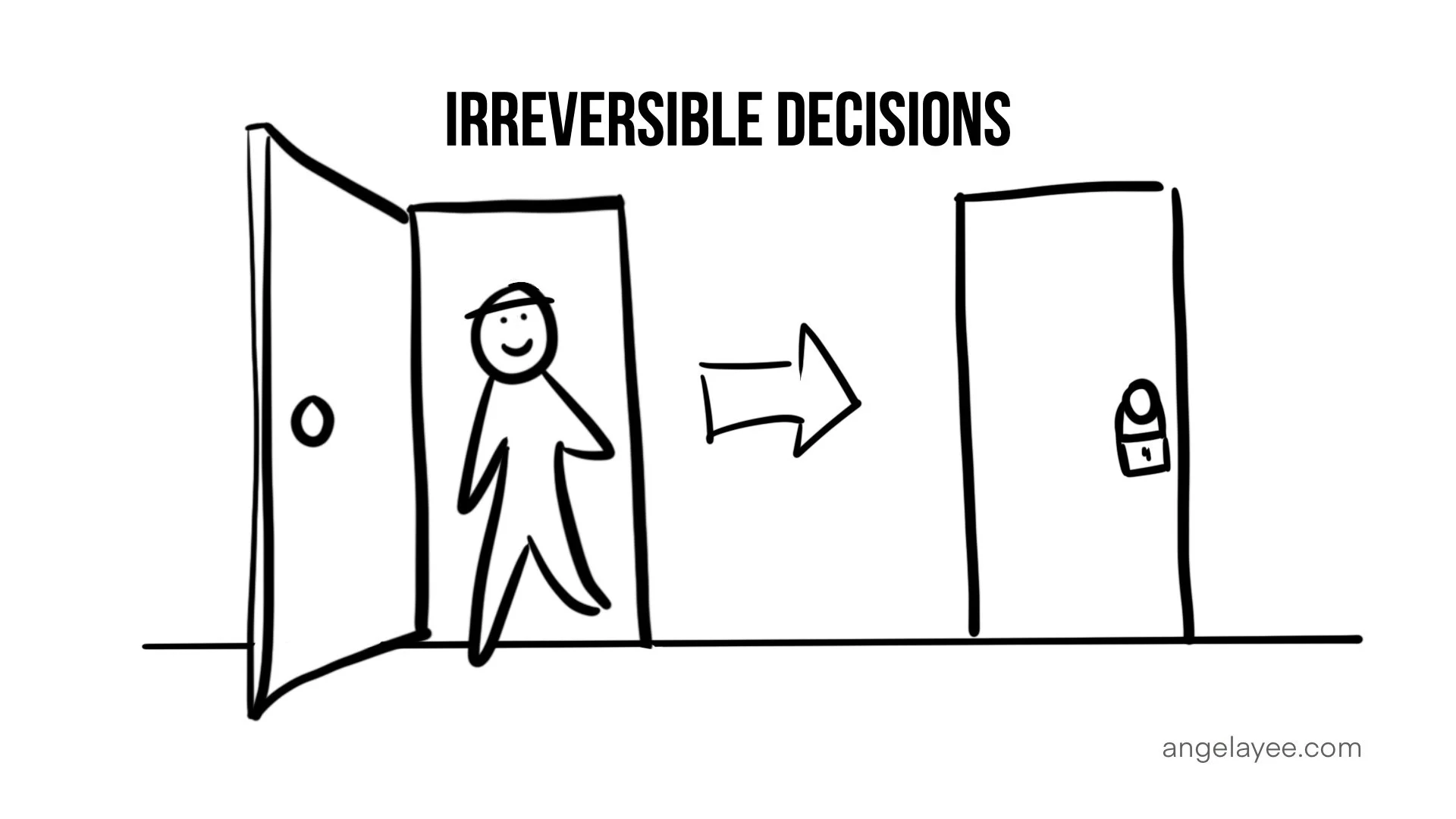
Irreversible decisions are big decisions that are better to remain unchanged. If needed, you could reverse them, but it’s difficult and costly.
For example, decisions regarding major capital expenses, staffing, and topics that impact a significant number of people are irreversible. There are high consequences for changing direction suddenly.
The other kind of decision is a reversible decision. This is like a rotating door, where you can choose to continue into the lobby or go right back out again.
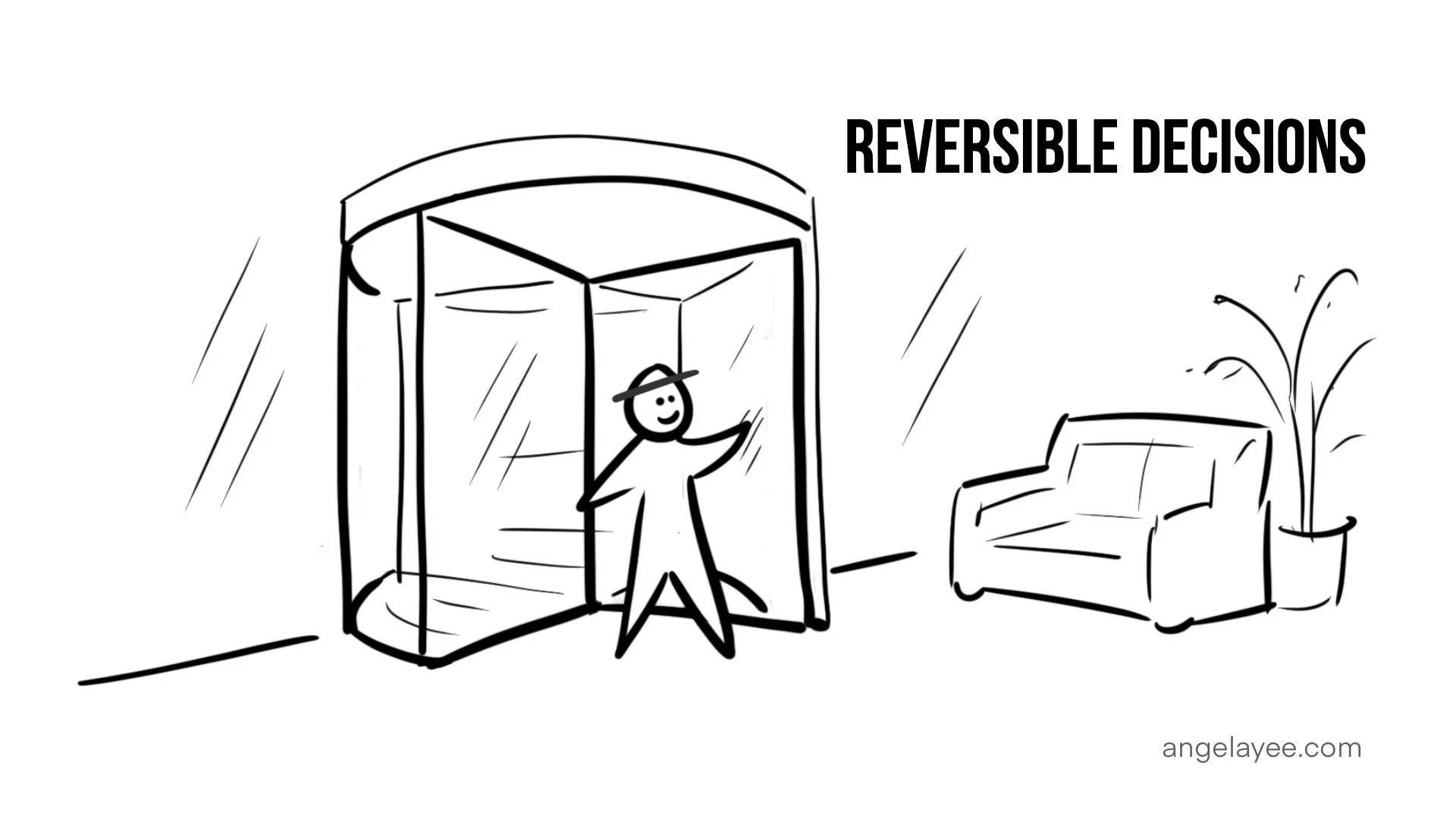
Most decisions are reversible decisions. I’m not talking about waffling kind of decisions, but decisions that you have freedom to experiment, tweak, and try. And if all else fails, you can just admit this was an experiment, and we have learned a great way how not do things. 
Rotating door decisions may include things like processes, projects with a shelf life, temporary arrangements, non-controversial topics, and many of the day-to-day small decisions that have to be made.
But there is another way to handle decisions.
A Third option
Leaders don’t need to make every decision. Instead, give others the opportunity.
Instead of walking through the decision door myself, I help a team member consider the door. They think through relevant factors and then make the decision.
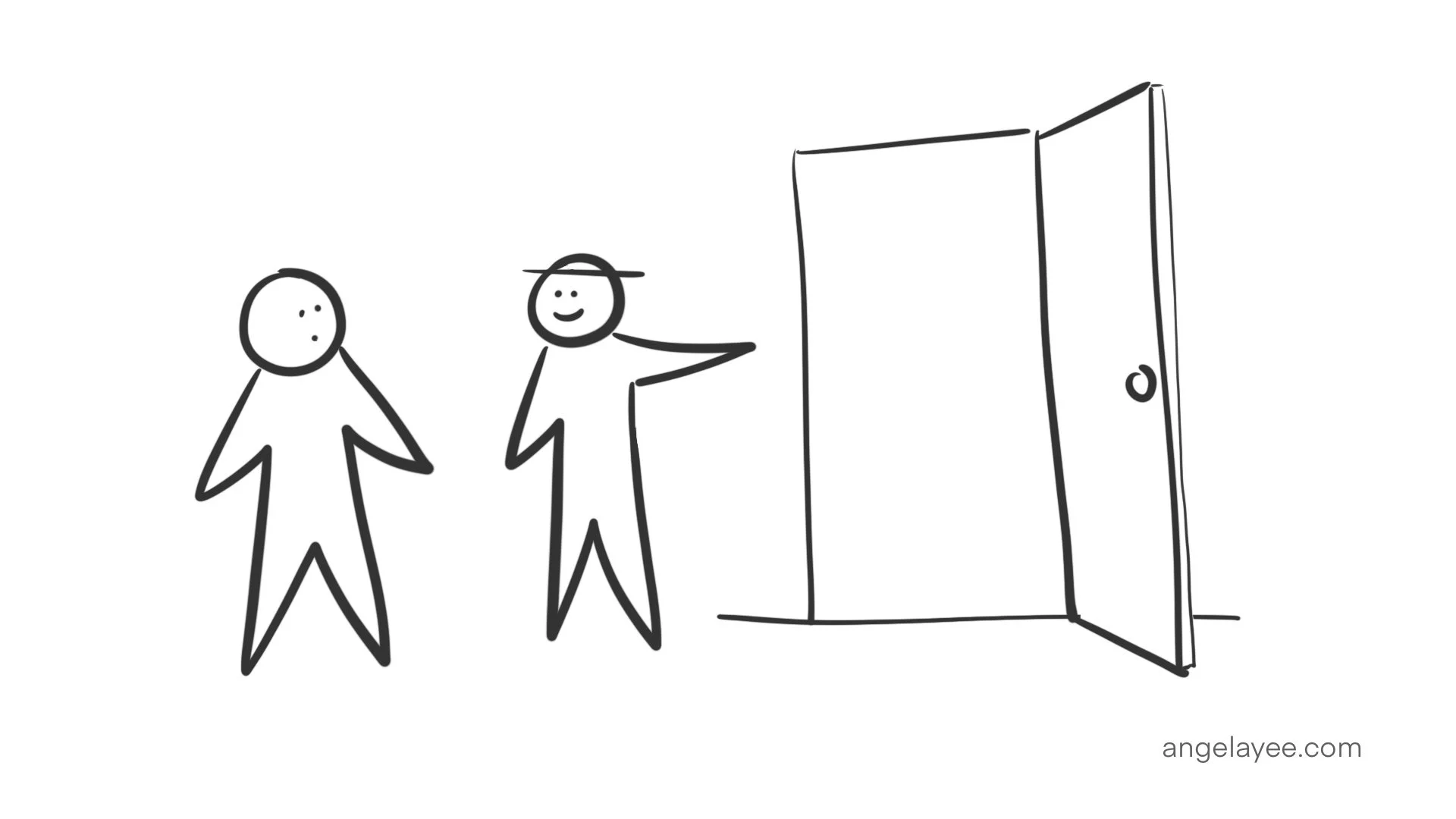
When you give the opportunity to others, you help team members build ownership.
Push decisions down to the lowest level, where the people closest to the work, who are actually doing the work, are the ones making the decision about how the work is done. They are the ones who do the job and know it best.
When you do this, there are great benefits. You increase ownership, speed — and development of your team member. A triple win!
Next time you face a decision, remember these four steps:
Name the door: irreversible or reversible
Choose who should decide
Make the decision
Move forward and adjust as needed
Decisions are best made with input and feedback, and it’s beneficial to delegate as many decisions as you can to empower others. When you do, you raise the abilities of your people — and the effectiveness of your team.